Share this
by MoeGo on Mar 3, 2026, 7:34:06 PM
Confused by grooming terms? Whether you're a new dog grooming professional or building your own salon, understanding dog grooming terminology is essential for clear client communication, professional credibility, and consistent results.
From breed-specific cuts to coat types and technical grooming processes, this guide breaks down the essential grooming terms every pet grooming professional should know — and confidently explain to clients.
Why Dog Grooming Terminology Matters
Clear terminology protects:
- Client expectations
- Your professional reputation
- Service pricing accuracy
- Appointment time management
When a client asks for a “puppy cut,” what do they actually mean?
When you say “dematting,” do they understand the time involved?
Miscommunication leads to:
- Dissatisfied clients
- Underpriced services
- Scheduling overruns
- Negative reviews
Professional grooming isn’t just about skill — it’s about precise communication.
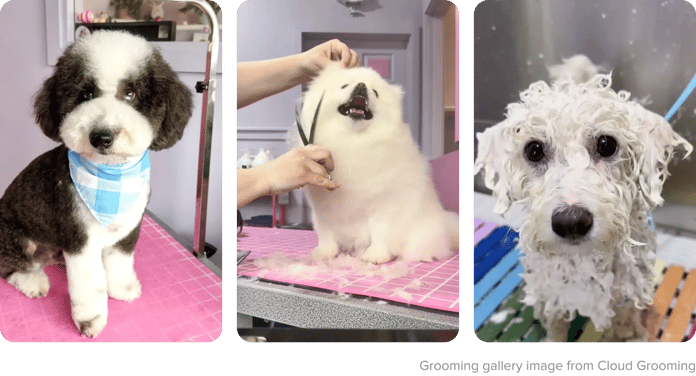
Encourage clients to bring reference photos and use visual style guides during consultations to align expectations before the groom begins.
Common Dog Grooming Haircut & Style Terms
Below are frequently used grooming terms and what they typically mean in professional settings.
All-Over Trim (AO / AOT)
A full-body trim from head to tail, cut to a uniform length based on client preference.
Face, Feet, & Fanny (FFF)
A maintenance trim that cleans up:
- Hair around the eyes and muzzle
- Hair on the feet
- Sanitary areas
Often used between full grooming appointments.
Clean Face
Hair around the eyes and muzzle is clipped short for a neat, defined appearance.
Clean Feet
Hair between the toes and around the paws is clipped tight for cleanliness.
Round Feet
Hair is trimmed to create a soft, rounded foot appearance.
Nail Trim
Clipping nails without cutting into the quick.
Nail Grind
Using a rotary grinder to shorten and smooth nails.
Conditioning Treatment
Moisturizing or detangling treatments to improve coat manageability.
Anal Gland Expression
Manual release of anal gland buildup when necessary.
Popular Dog Grooming Styles Explained
Certain grooming styles are commonly requested by name. Clarifying definitions is critical.
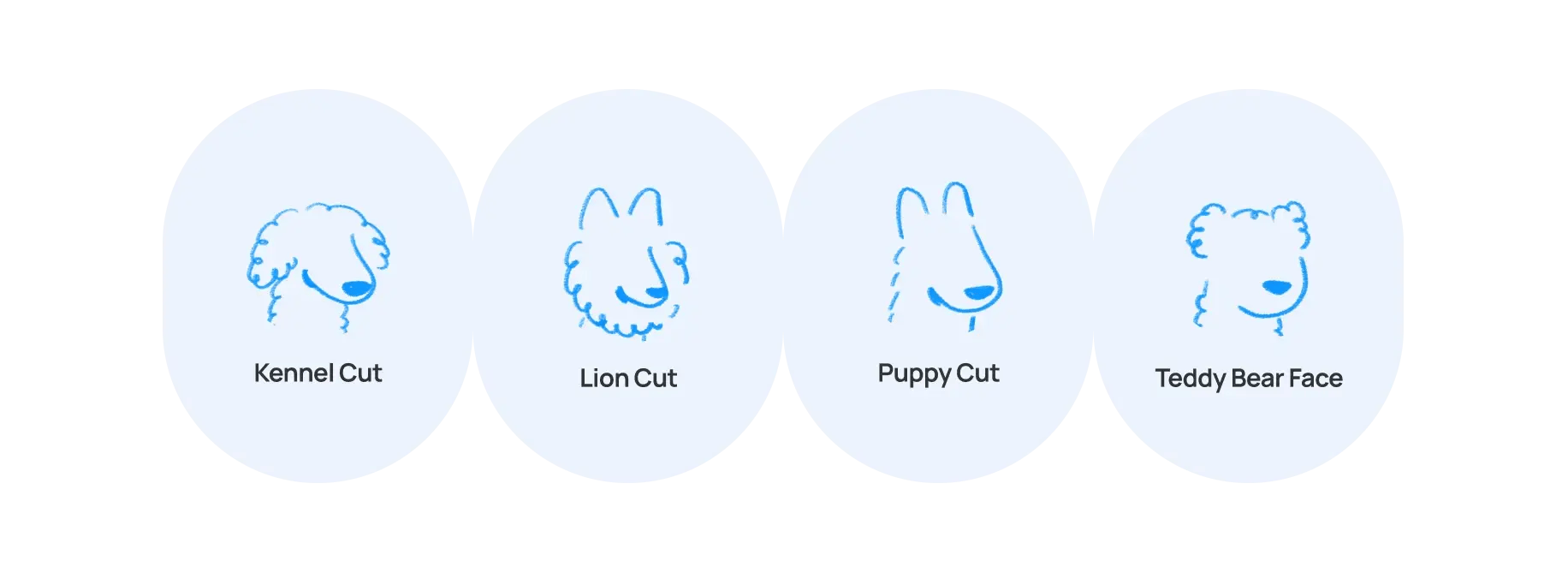
Kennel Cut
A short, low-maintenance trim for easy upkeep.
Lion Cut
Body clipped short while leaving a mane around the head and neck.
Puppy Cut
Typically refers to trimming the coat to one consistent length all over for a soft, fluffy appearance.
Important: This term varies widely in meaning. Always clarify blade length and finish before proceeding.
Teddy Bear Face
Hair around the face is rounded and fluffy, creating a soft, full expression.
Breed-Specific Grooming Terms
Professional grooming often follows breed standards.
Beard
Long facial hair common in Schnauzers and Terriers.
Bobbed Tail
Docked tail common in certain breed standards.
Understanding breed expectations allows accurate time estimation and pricing.
Cocker Cut
Longer feathering on ears, chest, belly, and legs with shorter body trim.
Poodle Cut
Structured cut following breed standards, with fuller head and ankle styling.
Schnauzer Cut
Hand-stripped or clipped body with defined eyebrows and beard.
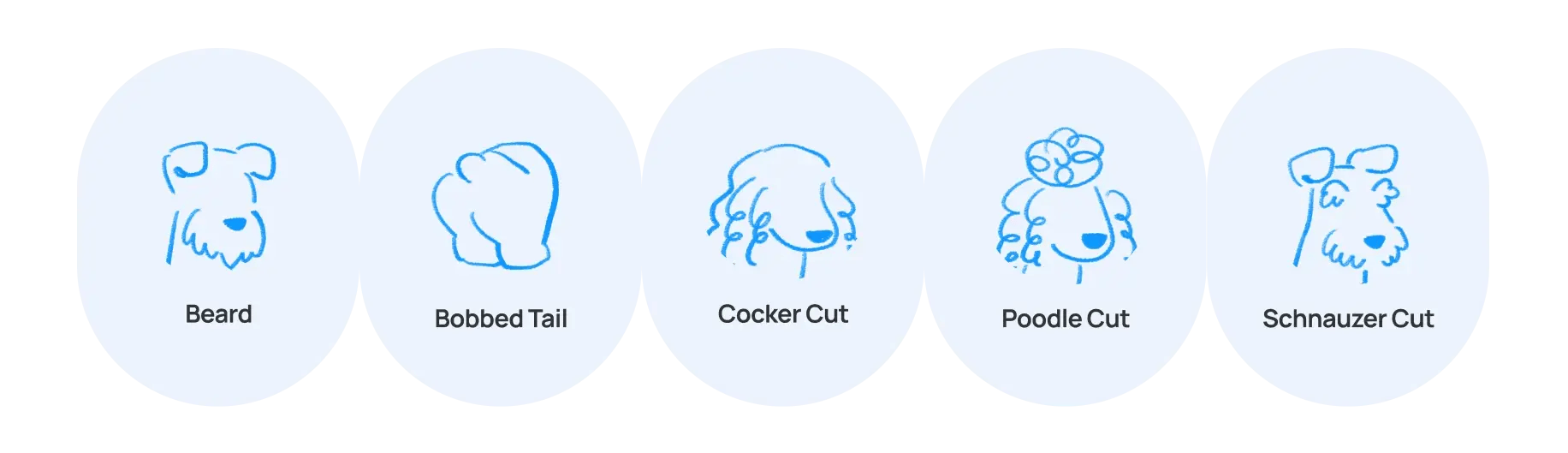
One advantage of a pet grooming software is that a pet salon can showcase breed-specific cuts in the gallery of the digital storefront, so that owners can see what they look like and select them during the online booking process. This helps the salon owner know that the correct amount of time will be reserved for a breed-specific dog grooming appointment.
Dog Coat Terminology
A dog’s coat type determines grooming approach, tools required, and time involved.
Double Coat
Soft insulating undercoat beneath a protective top coat.
Examples: Huskies, Shepherds.
Requires thorough deshedding and brushing.
Single Coat
One-layer coat, often lower maintenance.
Wire Coat
Rough-textured coat common in Terriers and Schnauzers.
Corded Coat
Long, rope-like cords instead of individual strands (rare and breed-specific).
Coat type affects:
- Appointment duration
- Tool selection
- Pricing
- Maintenance recommendations
Grooming Process Terms Clients Should Understand
Explaining your process builds trust and protects your time.
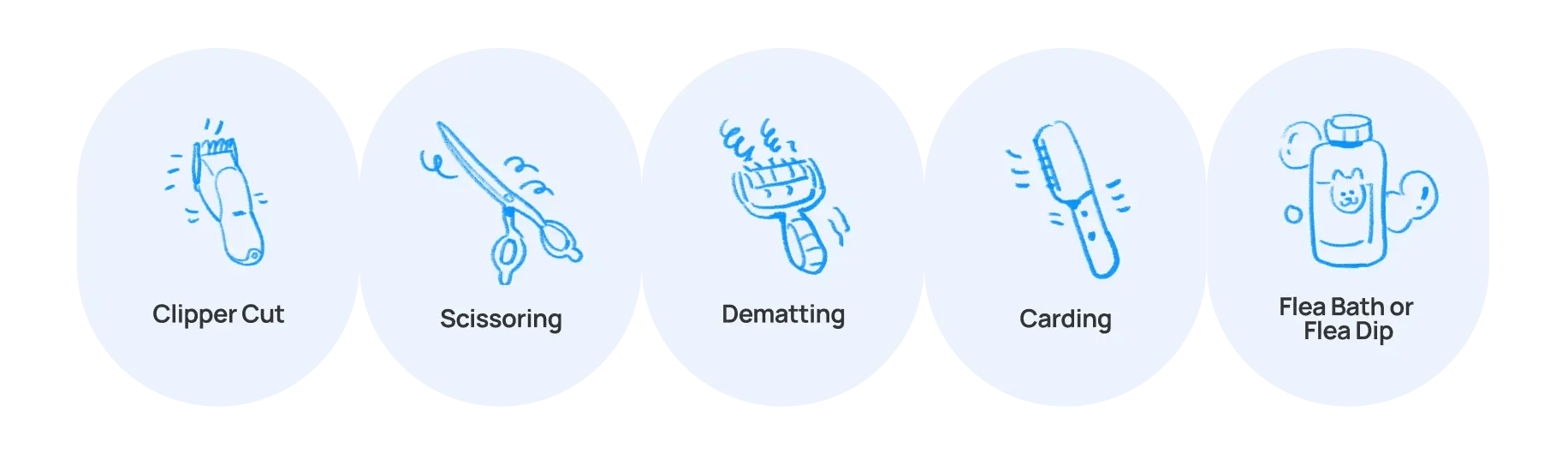
Clipper Cut
Using electric clippers for uniform length.
Scissoring
Hand-shaping with scissors for detailed finishing.
Dematting
Removing tangled or matted fur using combs, tools, or clippers.
Important: Severe matting may require shaving for humane treatment.
Carding
Removing dead undercoat hair with specialized tools.
Flea Bath / Flea Treatment
Use of medicated products to address infestations.
Clear explanation helps justify pricing adjustments for time-intensive services like dematting.
Why Terminology Impacts Profitability
Terminology isn’t just educational. It impacts operations.
When services are clearly defined:
- Appointments are booked with accurate time estimates
- Correct pricing is applied
- Groomers are less rushed
- Client satisfaction increases
- Rebooking becomes easier
As salons grow, especially with multiple groomers, standardized service definitions prevent inconsistency across staff.
Many modern grooming businesses store service notes, preferred blade lengths, and style preferences within their booking system to ensure consistency across visits.
The more precise your terminology, the more scalable your business becomes.
Tips for Communicating Grooming Terms with Clients
Especially for first-time clients:
- Schedule extra consultation time
- Ask clarifying questions
- Confirm blade length
- Discuss maintenance requirements
- Take reference photos
- Document preferences for future visits
If a client is unhappy, focus on specifics:
- Length?
- Face shape?
- Maintenance difficulty?
Document the outcome so the next appointment improves.
Consistency builds trust and long-term client retention.
Frequently Asked Questions
What does “puppy cut” actually mean?
It usually refers to trimming a dog’s coat to one even length, but the definition varies widely. Always confirm specifics with the owner.
What is the difference between nail clipping and nail grinding?
Clipping shortens nails quickly, while grinding smooths and rounds the edges for a more finished look.
What is dematting?
Dematting is the process of removing tangles and mats from a dog’s coat. Severe matting may require shaving to prevent discomfort or injury.
Why do coat types matter in grooming?
Coat types determine grooming tools, appointment time, pricing, and maintenance needs.
Final Thoughts: Professional Language Builds Professional Trust
Mastering dog grooming terminology does more than improve communication — it elevates your professionalism.
Clear definitions:
- Protect your time
- Protect your pricing
- Reduce misunderstandings
- Improve client retention
- Support operational consistency
Whether you’re a solo groomer or scaling a multi-groomer salon, standardizing your service language is one of the simplest ways to build a stronger, more predictable grooming business.


Just started a new business?
Kickstart your business with MoeGo Care with 50% off.

Best Flooring for Dog Daycare and Boarding Facilities: The 2027 Guide
How Many Dogs Per Staff Member? The Pet Daycare & Boarding Ratio Guide (2027)
From Pet Professional to CEO: How One Business Owner Took a 2-Week Vacation Without Her Business Falling Apart