Share this
by MoeGo on Mar 3, 2026, 7:32:00 PM
Choosing the right pet grooming business model isn’t just about preference. It determines your income ceiling, your daily stress level, and how easily you’ll be able to grow.
Mobile grooming, brick-and-mortar salons, and home-based grooming businesses each offer unique advantages. But they also come with very different startup costs, operational complexity, and scalability limits.
If you're starting your first grooming business — or considering expanding — this guide will help you compare:
- Startup costs
- Overhead and profit potential
- Lifestyle impact
- Growth and scalability
- Operational complexity
There’s no universal “best” model. The right choice depends on the type of business and life you want to build.
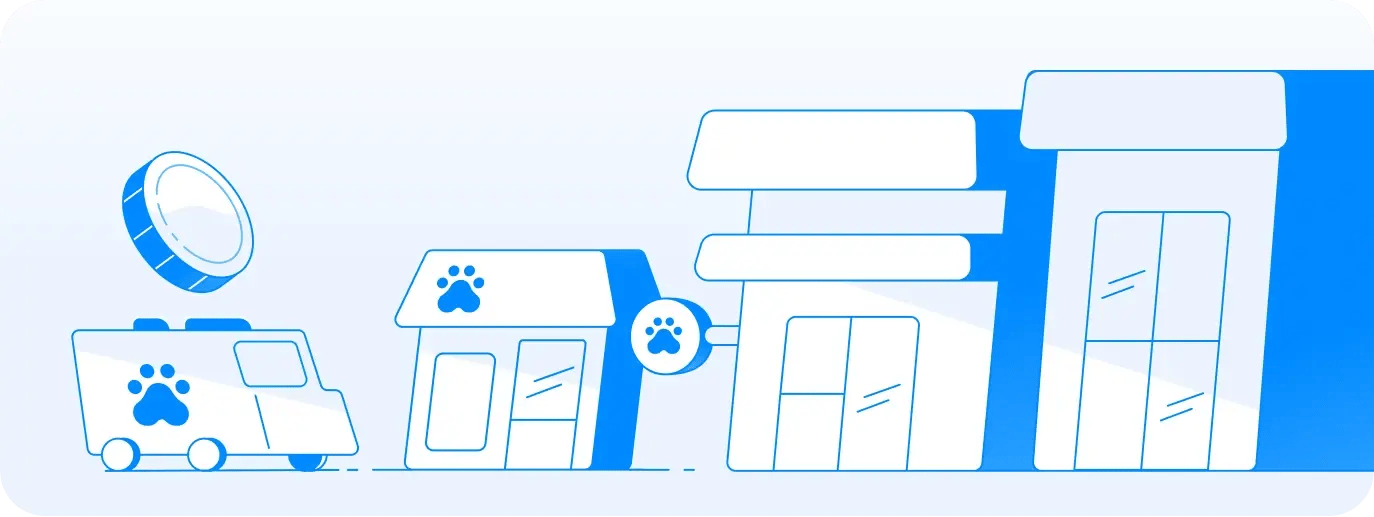
Quick Comparison: Mobile vs. Salon vs. Home-Based Grooming
| Factor | Mobile Grooming | Brick & Mortar Salon | Home-Based Salon |
|---|---|---|---|
| Startup Cost | Medium–High (van + buildout) | High (lease + buildout) | Low–Medium |
| Monthly Overhead | Low–Medium | High | Low |
| Income Ceiling | Moderate (solo) / High (fleet) | High (team-based) | Moderate |
| Scalability | Add vans to scale | Hire staff, expand locations | Limited by space & zoning |
| Schedule Flexibility | Very flexible | Structured | Flexible |
| Operational Complexity | Route planning + vehicle maintenance | Staff management + higher admin | Client management + zoning limits |
1. Mobile Pet Grooming
Mobile grooming operates from a van equipped with grooming tools and water systems. You travel to clients’ homes, offering convenience and one-on-one service.
Startup Costs
Mobile grooming typically requires:
- Grooming van purchase or lease
- Van buildout (plumbing, electrical, tank system)
- Equipment installation
- Commercial auto insurance
- Fuel and maintenance budget
While you avoid rent, the upfront vehicle investment can be significant.
Overhead & Profit Potential
Mobile businesses often have lower fixed overhead than salons:
- No commercial lease
- Fewer utilities
- Smaller team (often solo)
However, revenue capacity is limited by:
- Hours in a day
- Water tank capacity
- Drive time between appointments
A solo mobile groomer can achieve strong margins, but scaling requires purchasing additional vans, which means new capital investment before hiring.
Operational Realities
Mobile grooming includes unique daily logistics:
- Route planning
- Fuel cost management
- Water refills and gray water disposal
- Vehicle downtime risk
- Parking restrictions
If your van is out of service, revenue pauses.
As mobile operators grow to multiple vans, scheduling coordination and performance tracking become more complex, especially when managing routes, payments, and rebooking across vehicles.
Lifestyle Fit
Mobile grooming offers:
- High flexibility
- Autonomy
- Premium convenience positioning
- One-on-one client relationships
It’s often ideal for groomers who value independence and lower overhead — especially in early growth stages.
2. Brick-and-Mortar Grooming Salon
A salon is a physical retail location dedicated to grooming services. This model supports solo ownership or team-based scaling.
Startup Costs
Salon startup typically includes:
- Lease deposit
- Renovation and buildout
- Multiple tubs and dryers
- Retail inventory (optional)
- Business utilities and internet
- Liability insurance
This is generally the highest upfront investment model.
Overhead & Profit Potential
Monthly costs include:
- Rent
- Utilities (electricity, water, HVAC)
- Insurance
- Payroll (if staffed)
- Internet and phone systems
However, the income ceiling is significantly higher.
With multiple groomers working simultaneously, a salon owner can:
- Earn full revenue from their own services
- Earn a percentage from team members
- Sell retail products for additional margin
- Expand hours beyond solo capacity
For owners focused on scaling, this model offers the clearest path to multi-six or seven-figure annual revenue.
Operational Complexity
Salons introduce new management layers:
- Staff scheduling
- Payroll
- Performance tracking
- Client retention systems
- Cross-location reporting (if expanding)
As teams grow, administrative systems become critical. Without centralized booking, reporting, and payment workflows, expansion can create chaos instead of growth.
Lifestyle Fit
Salons are ideal for owners who:
- Want to build a team
- Prefer structured schedules
- Enjoy managing people
- Plan to expand to multiple locations
If your long-term goal includes scaling beyond yourself, a salon provides the strongest infrastructure for growth.
3. Home-Based Grooming Salon
Home-based grooming blends lower overhead with a fixed workspace. Clients bring pets to your home rather than a retail location.
Startup Costs
Home-based grooming avoids:
- Commercial rent
- Vehicle investment
However, you’ll still need:
- Equipment
- Utility upgrades
- Business insurance
- Zoning compliance
Startup costs are typically the lowest of the three models.
Overhead & Profit Potential
You save on rent but still pay:
- Utilities
- Insurance
- Equipment maintenance
Revenue potential is usually limited by:
- Space
- Local zoning regulations
- Solo capacity
This model can be profitable but often has a lower long-term scaling ceiling unless you transition into a commercial space.
Operational Considerations
Unique factors include:
- Client privacy and safety concerns
- Screening customers
- Residential parking limitations
- Local business regulations
Growth may require relocating to a commercial space.
Lifestyle Fit
Home-based grooming works well for:
- Groomers seeking low overhead
- Those testing the business before scaling
- Owners prioritizing flexibility and personalized care
It’s often a strong starting point, but may require evolution for significant expansion.
How Much Can Each Grooming Model Make?
Income depends on pricing, market demand, and efficiency — but structurally:
- Solo mobile: Limited by daily appointments and drive time.
- Home-based solo: Limited by time and physical space.
- Salon with 3+ groomers: Higher revenue ceiling through team production and retail add-ons.
- Mobile fleet or multi-location salon: Highest ceiling, but requires strong operational systems.
The key difference isn’t just revenue. It’s scalability.
Scalability & Growth Path
Ask yourself:
- Do I want to stay solo long-term?
- Do I plan to hire?
- Would I add a second van or location?
- How important is predictable recurring revenue?
As grooming businesses grow, operational complexity increases:
- Scheduling across staff or vans
- Client communication automation
- Payment processing
- Rebooking systems
- Performance tracking
Many growing operators discover that their original setup works at one location, but becomes strained at two.
Choosing a model that aligns with your long-term vision and building strong operational systems early prevents painful transitions later.
Frequently Asked Questions
Is mobile grooming more profitable than a salon?
Mobile grooming can have higher margins per appointment due to lower overhead, but salons typically have a higher income ceiling because they can serve more pets simultaneously and employ multiple groomers.
What is the cheapest pet grooming business to start?
Home-based grooming is usually the least expensive startup option, as it avoids commercial rent and vehicle investment.
Can you legally run a grooming business from home?
This depends on local zoning laws and regulations. Always check with your municipality before starting a home-based grooming operation.
Which grooming model scales the fastest?
Brick-and-mortar salons typically scale fastest due to team-based production and retail opportunities. Mobile businesses can scale through fleet expansion but require significant capital investment per van.
Choosing the Right Grooming Business Model for You
There’s no universal winner — only the model that aligns with:
- Your growth goals
- Your risk tolerance
- Your lifestyle priorities
- Your appetite for managing people
- Your long-term vision
If you want independence and flexibility, mobile may be ideal.
If you want to build a team and scale beyond yourself, a salon offers stronger growth infrastructure.
If you want low overhead and flexibility while testing the waters, home-based grooming may be the right starting point.
The key isn’t just choosing where you groom. It’s building a business structure that supports you as you grow.
Just starting or adding to your business?
We have flexible plans meant for all stages.


From Pet Professional to CEO: How One Business Owner Took a 2-Week Vacation Without Her Business Falling Apart

Holiday Grooming Add-Ons: How to Build a Seasonal Menu That Sells Itself
How KLŌS Fine Pet Salon Turned Milton, Georgia's Most Discerning Zip Code Into Its Biggest Advantage