Share this
by MoeGo on May 11, 2026, 9:00:00 AM
Ashley Pacini, owner of The Dog House DeLand, had a situation many pet care operators quietly fear. A dog came in with clear grooming instructions: do not shave. But somewhere between check-in, communication, and execution, that instruction didn’t carry through.
The dog was shaved.
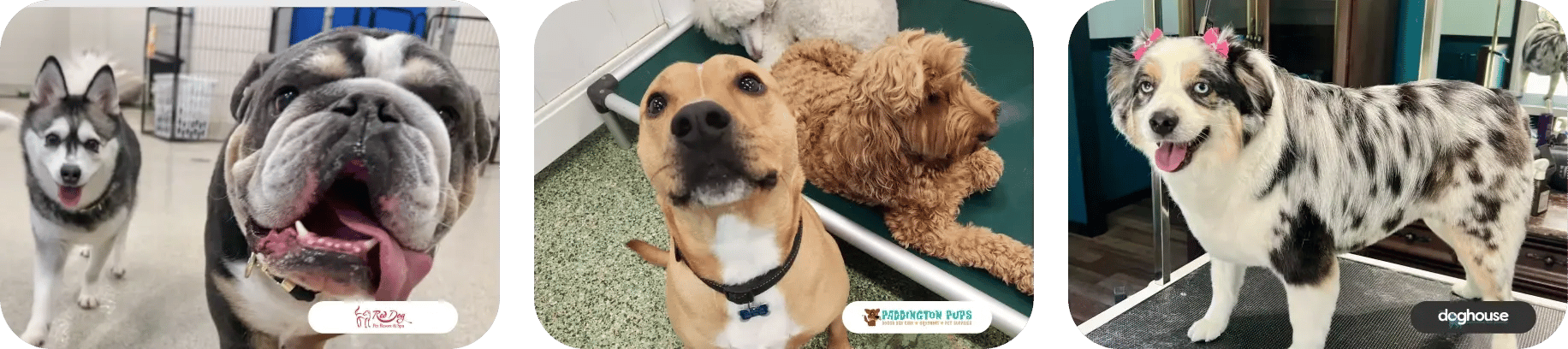
At Paddington Pups, the issue looked different, but felt familiar. Their team was juggling multiple systems: one software for grooming, another for boarding and daycare, plus pen-and-paper notes for everything in between. As things got busier, small inconsistencies started creeping in: numbers didn’t always match, updates weren’t always aligned, and staff had to double-check each other constantly just to stay on track.
These aren’t rare stories. If you run a pet boarding, daycare, or grooming business, you’ve likely experienced some version of this:
- A feeding instruction that didn’t get followed
- A note that was written down, but missed
- A customer request that didn’t make it to the person doing the work
And the frustrating part is: You did communicate it. You did write it down. You did train your team.
So why does it keep happening?
Why do mistakes keep happening in pet boarding and daycare businesses?
Mistakes in pet care businesses are rarely random, and they’re not just the result of staff not paying attention. In most cases, they happen because of how information flows (or doesn’t flow) through the business.
Common underlying causes include:
- Information is not centralized
- Instructions live across multiple systems, notebooks, or conversations
- Systems don’t connect
- Grooming, boarding, and daycare teams operate on different sources of truth
- Processes are inconsistent
- Each team or staff member may handle notes and handoffs differently
- Execution relies on memory
- Staff are expected to remember details across pets, services, and shifts
Individually, these may seem manageable. But together, they create a system where errors are not exceptions but expected over time.
Why this isn’t actually a staff problem
When a mistake happens, the first instinct is to look at the person who made it.
- “They didn’t read the notes”
- “They forgot”
- “They weren’t careful enough”
But in most pet care businesses, the team isn’t careless—they’re working within systems that make consistency difficult.
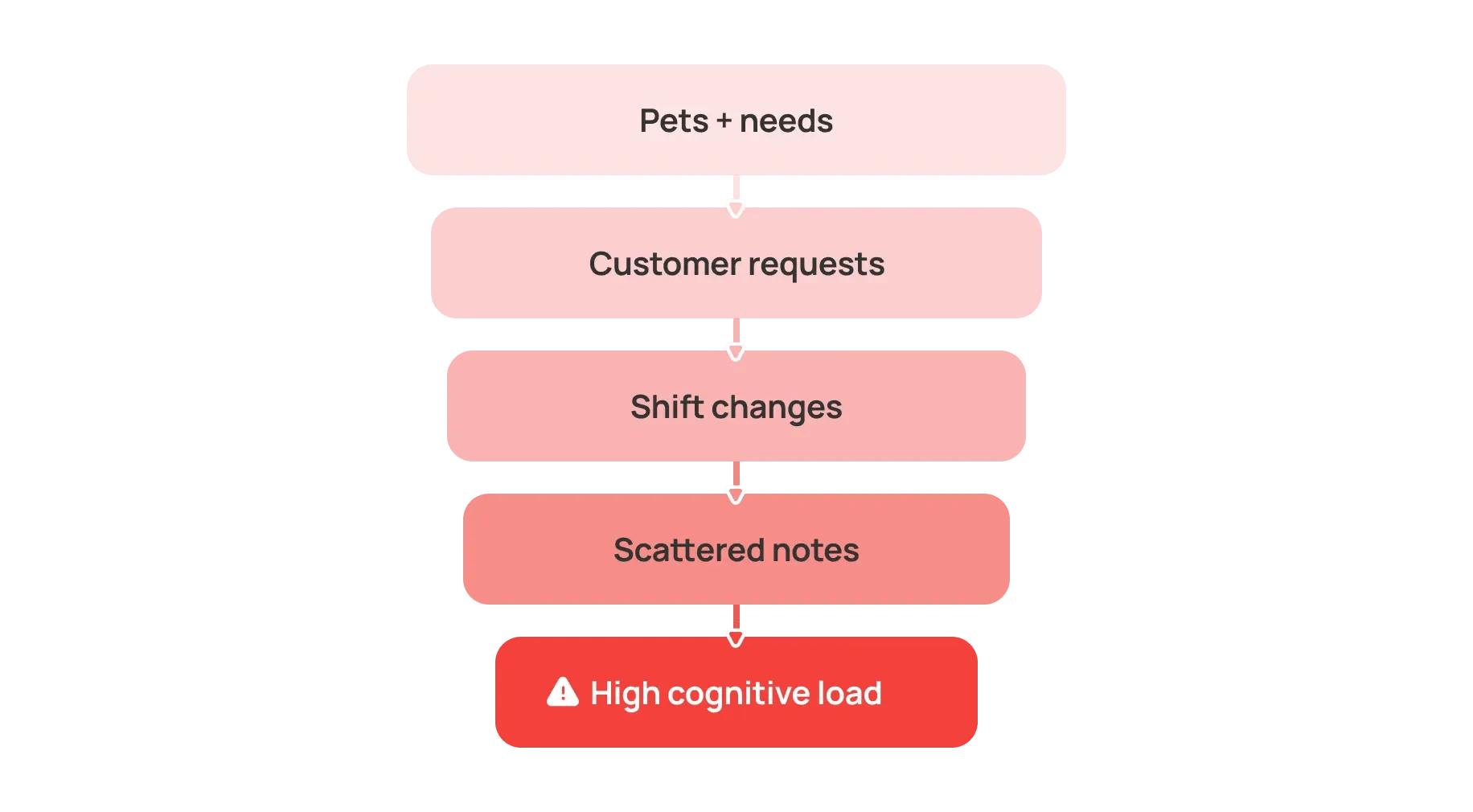
Think about what your team is actually dealing with every day:
- Multiple pets with different needs
- Feeding schedules, medication instructions, grooming preferences
- Customer requests coming in through calls, texts, or in person
- Shift changes and handoffs between staff
Now layer on top of that:
- Notes written in different places
- Verbal instructions passed along
- No single place to verify what’s correct
In that environment, even a well-trained, well-intentioned team will make mistakes.
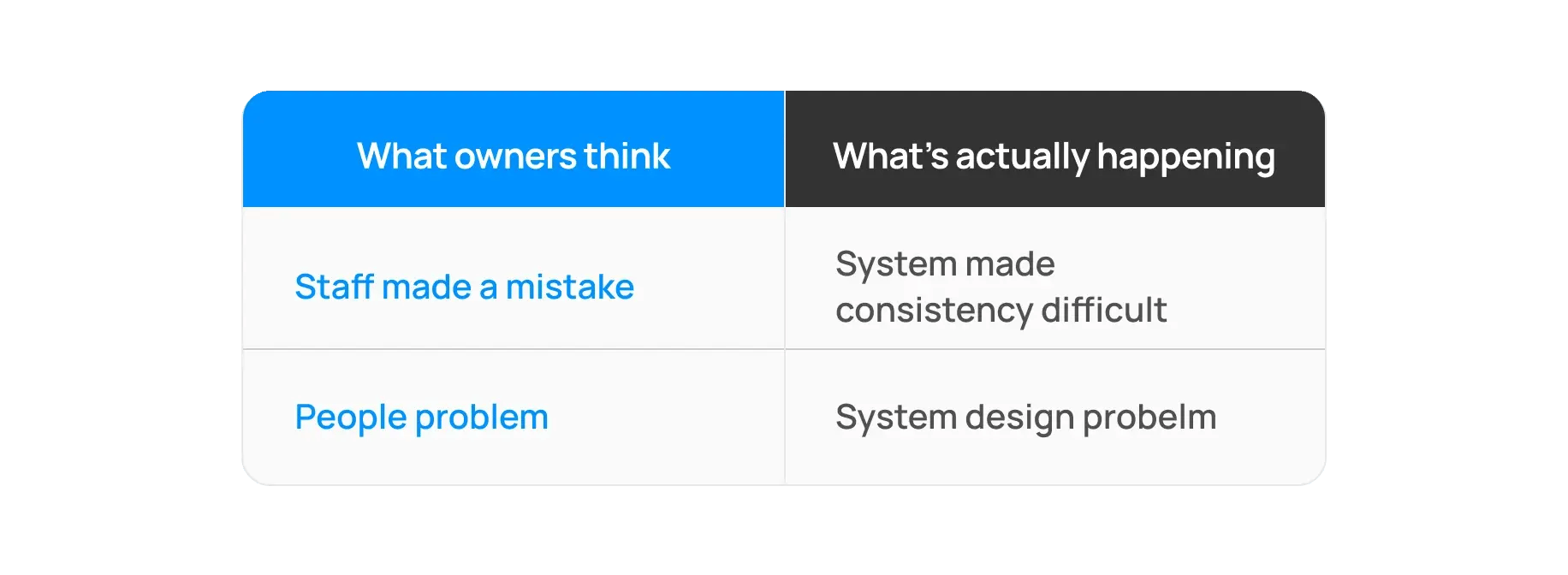
👉 Here’s the shift that most growing pet care businesses eventually realize: When mistakes happen repeatedly, it’s usually not a people problem. It’s a system design problem.
That doesn’t mean staff don’t matter. It means: The way your business handles information, communication, and execution determines whether your team can succeed consistently. And if those systems rely on memory, scattered notes, or manual coordination, mistakes aren’t exceptions. They’re expected.
What actually causes these mistakes behind the scenes
At the surface, these situations can look like isolated mistakes: A missed instruction. A detail that didn’t carry through. A team member who “should have known.”
But when you look closely, the same patterns show up again and again, not because people don’t care, but because of how the business is structured.
1. Information isn’t centralized
In many pet care businesses, critical information lives in multiple places:
- a note at the front desk
- a message in a text thread
- a detail entered into one system, but not another
Over time, this creates multiple “sources of truth.”
At Paddington Pups, this showed up in a very practical way. Their team was operating across:
- one system for grooming
- another for boarding and daycare
- plus pen-and-paper notes for additional details
Because these systems didn’t sync, staff had to manually pass information between teams.
And that’s where things started to break down.
- Grooming details didn’t always align with daycare notes
- Staff had to double-check across systems
- Information wasn’t always complete or consistent
The issue wasn’t one mistake. It was that the system made it difficult for everyone to be working from the same, reliable information.


How Paddington Pups unified grooming, boarding, and daycare information across teams
Paddington Pups moved away from using separate systems and manual notes by centralizing grooming, boarding, and daycare information into a single, connected workflow. This allowed both teams to access the same real-time pet profiles, service instructions, and updates so that details carried through consistently from intake to execution.
2. Instructions break between steps
Even when instructions exist, they don’t always make it all the way to execution.
In pet care operations, information has to move across multiple steps:
- intake
- check-in
- staff handoff
- service execution
Every transition is a potential failure point.
In Ashley’s case, the instruction was clear: Do not shave the dog.
But somewhere between intake and grooming, that instruction didn’t carry through. No one intentionally ignored it. It simply didn’t reach the final step in a reliable way.
That’s the critical issue. When instructions depend on being passed along manually, they don’t just risk being missed. They eventually will be.
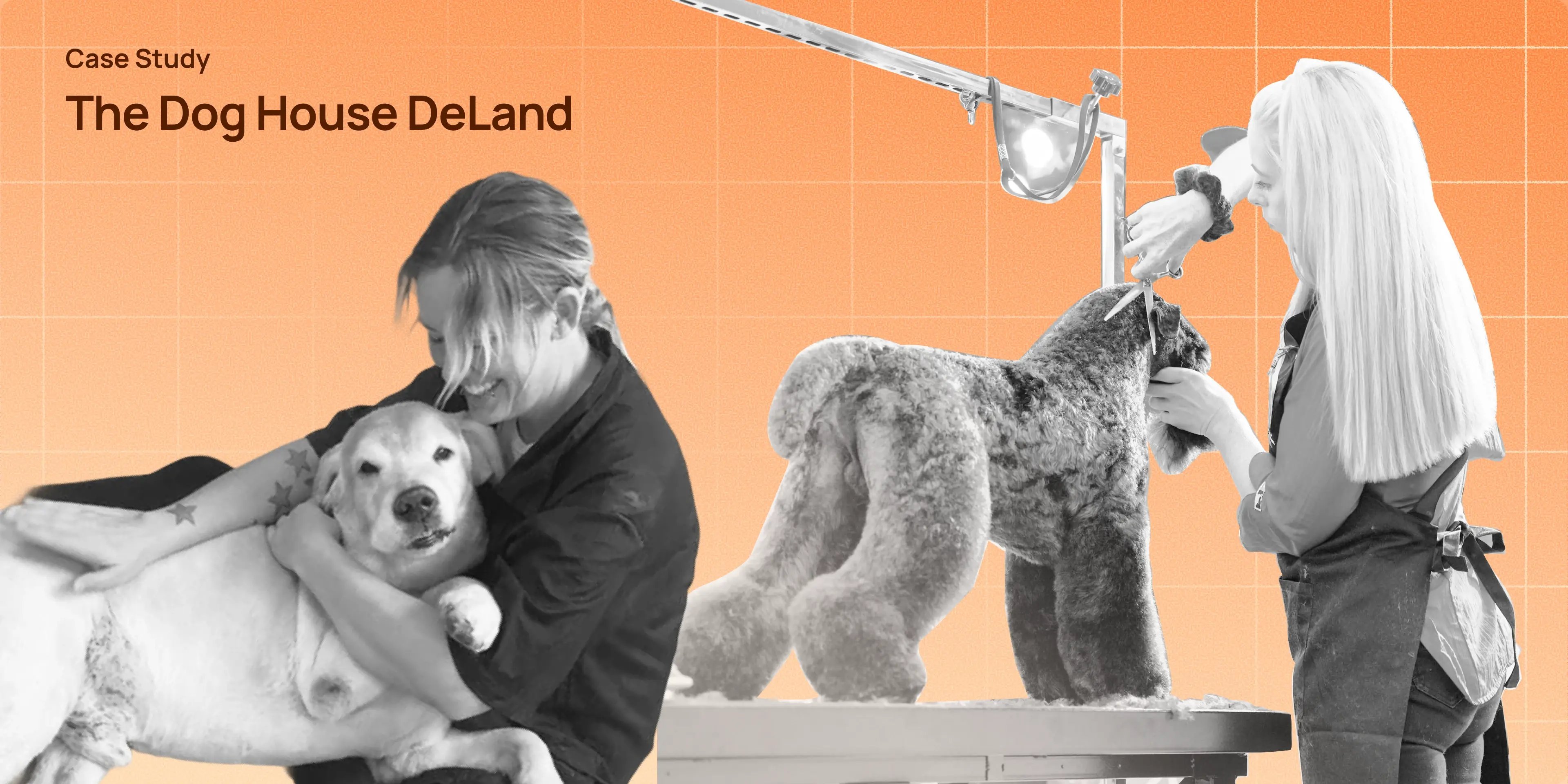
How The Dog House DeLand made grooming instructions impossible to miss
By structuring how grooming instructions are recorded and surfaced throughout the workflow, The Dog House DeLand ensured that critical details don’t get lost between intake and execution. Now, the team works from clearly documented, consistently visible instructions at every step.
3. Processes are inconsistent across staff and teams
As businesses grow, different team members develop their own ways of doing things:
- how they take notes
- how they confirm instructions
- how they communicate updates
Without a standardized workflow, execution becomes inconsistent—even if everyone is trying to do the right thing.
This is especially common when:
- grooming and daycare teams operate separately
- new staff are trained informally
- processes are “understood” but not structured
The result: The same instruction can be handled differently depending on who is working, and that inconsistency is where mistakes begin to compound.
4. There’s no real-time visibility into execution
When something goes wrong, many owners face the same challenge: “What actually happened?”
Without a system that tracks:
- what instructions were given
- who handled the service
- what was completed
There’s no clear way to verify execution.This creates two problems:
- You can’t catch issues early
- You can’t confidently respond when something goes wrong
And over time, that leads to:
- repeated mistakes
- slower resolution
- increased customer frustration
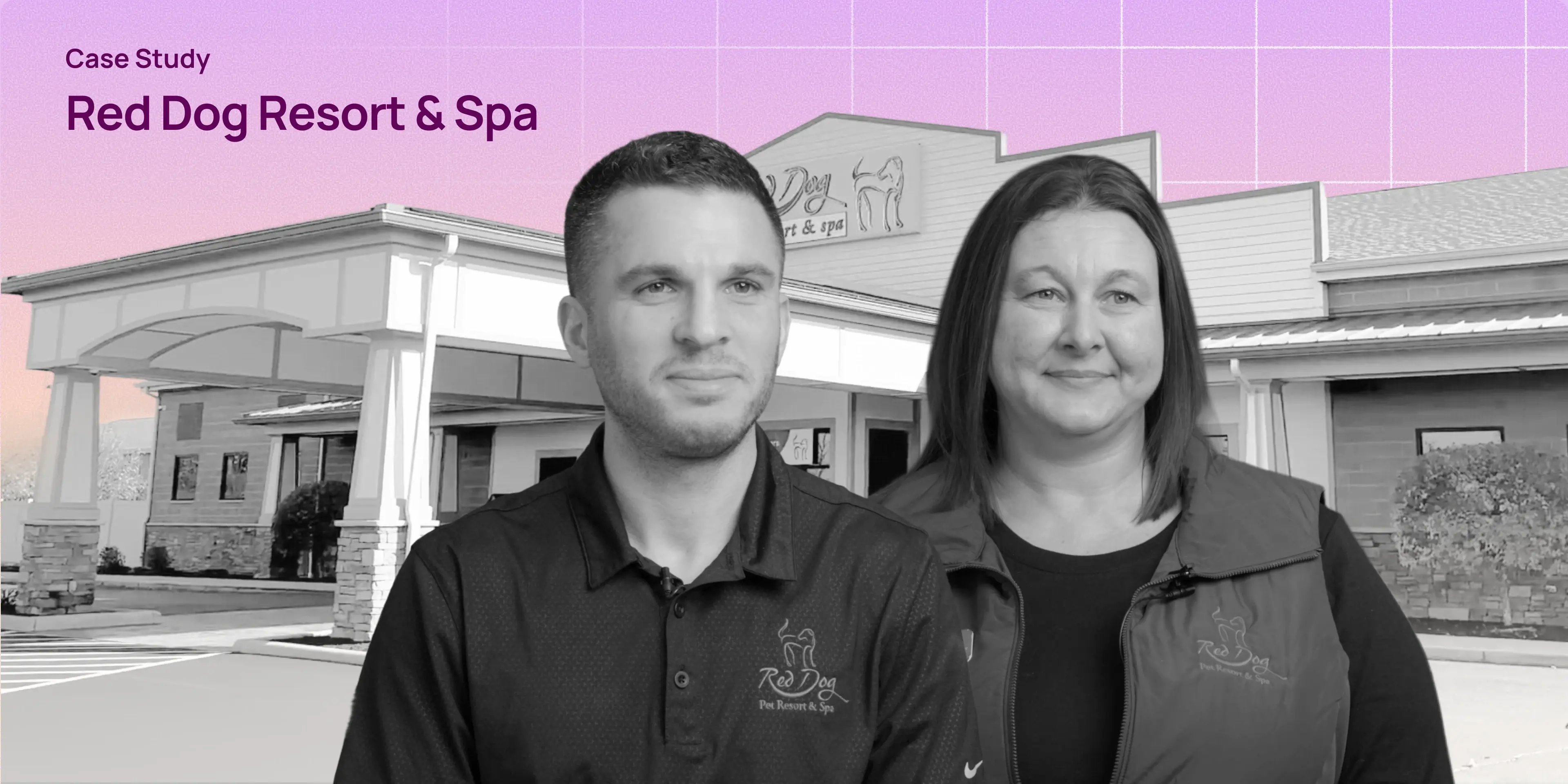
How Red Dog gained real-time visibility into daily operations and service execution
Red Dog uses MoeGo’s Enterprise Hub to get real-time visibility into bookings and utilization across locations, allowing them to quickly spot gaps, adjust staffing, and maximize revenue per available spot, without manual reporting.
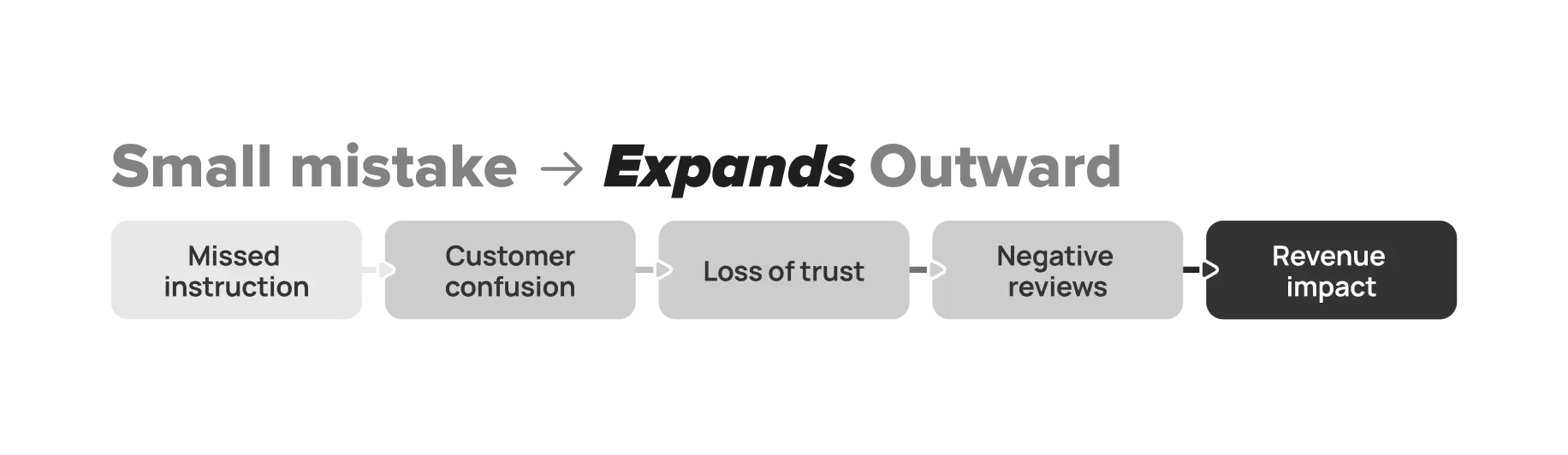
Why these small mistakes become bigger business problems
A missed instruction might seem small in the moment. But in pet care, small mistakes don’t stay small. They affect:
- pet safety
- customer trust
- team confidence
- business reputation
When there’s no clear record of what happened:
- conversations with customers become uncertain
- staff may give different explanations
- resolution becomes reactive instead of confident
Over time, this creates a pattern:
- more time spent fixing issues
- more stress managing the team
- less trust from customers
The issue isn’t just the mistake. It’s the lack of clarity and control when it happens.
What well-run pet care businesses do differently
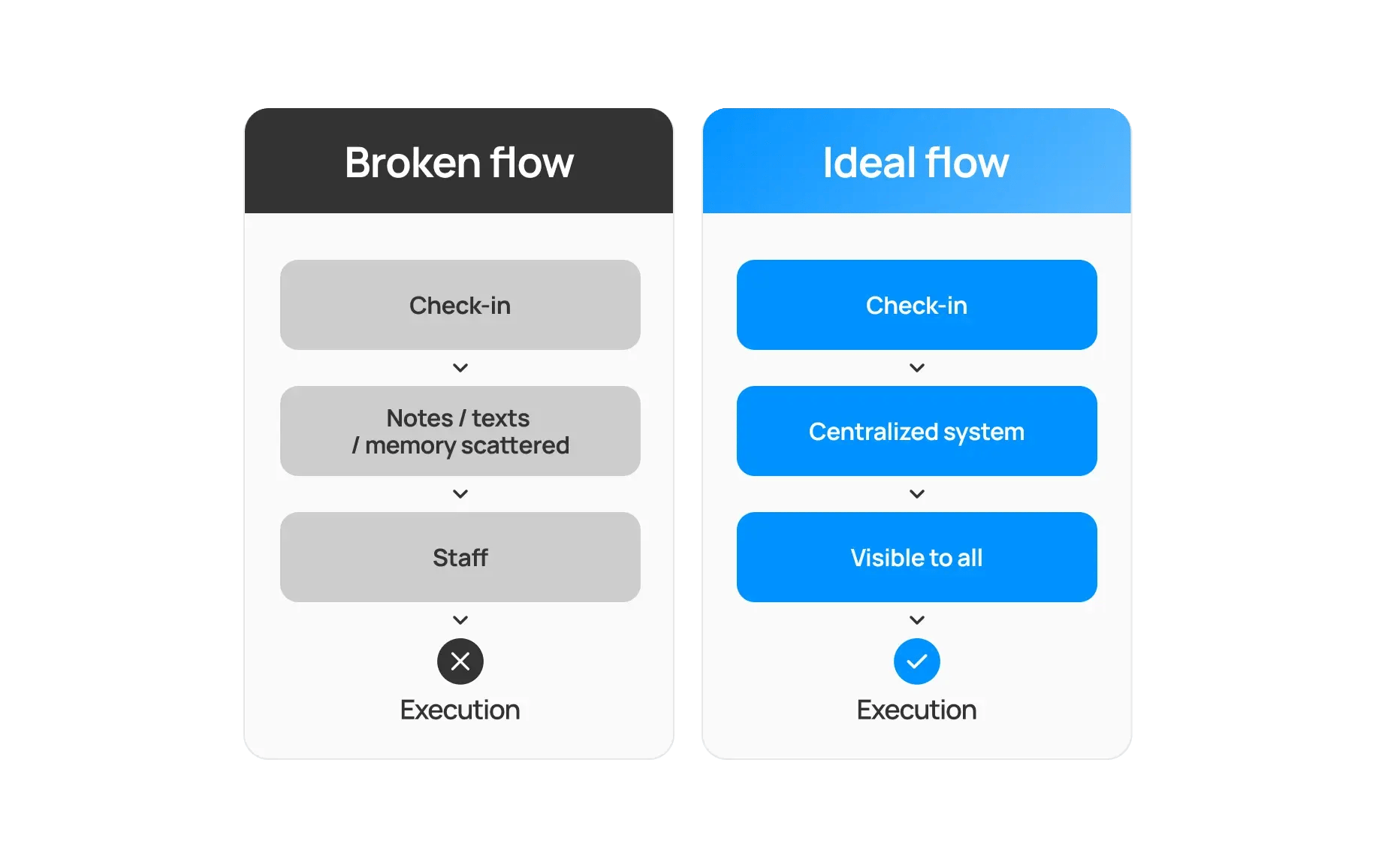
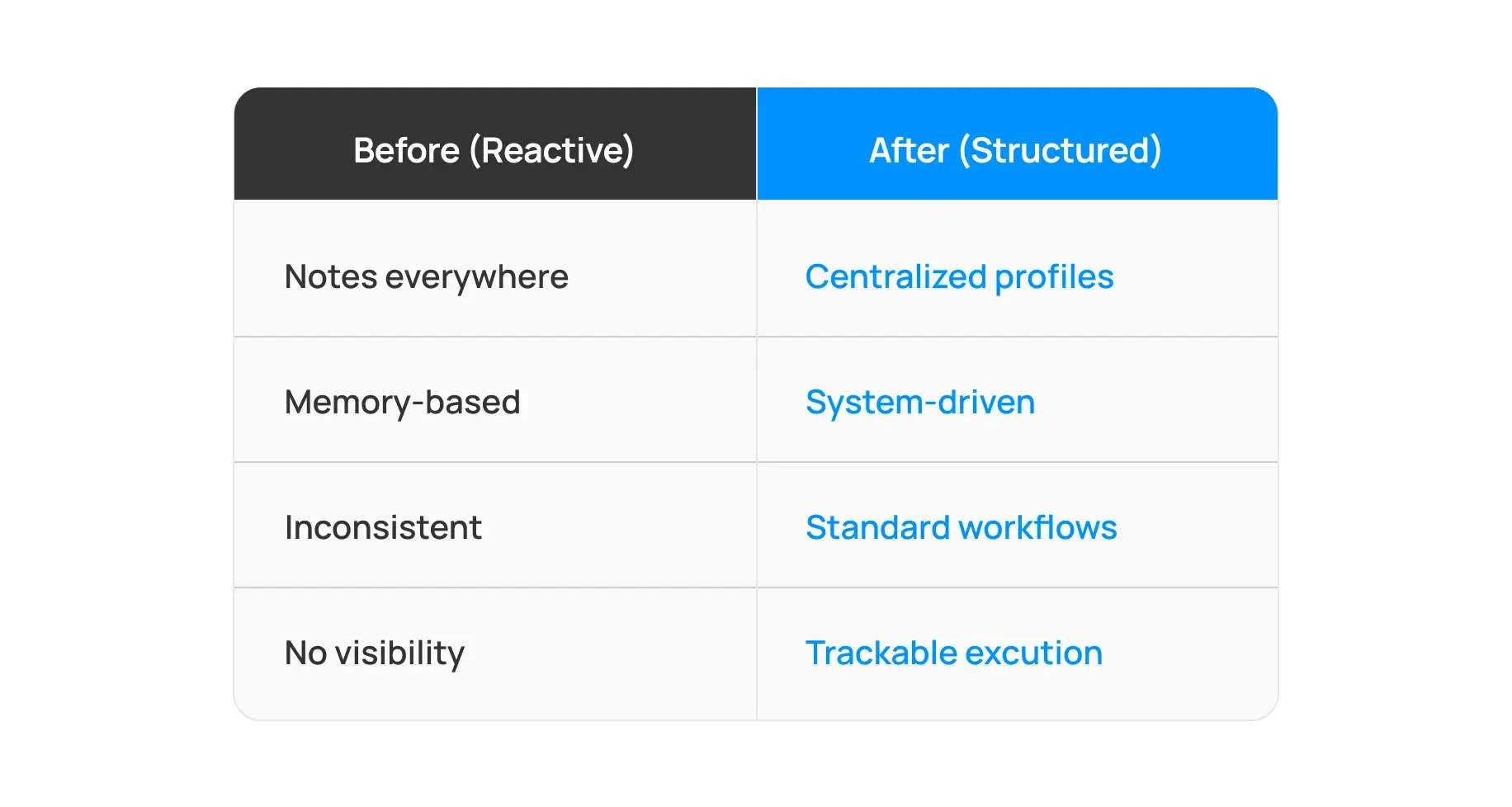
Well-run pet care businesses don’t rely on memory, scattered notes, or verbal communication to manage operations.
They build systems that make consistency possible. That typically includes:
- Centralized pet profiles: All instructions, preferences, and history in one place
- Structured check-in processes: Information captured consistently every time
- Standardized workflows: Clear steps from intake to execution
- Trackable service records: What was done, by whom, and when
- Clear internal communication: No reliance on passing messages manually
Well-run businesses don’t expect staff to remember everything. They create systems that make the right actions clear and consistent.
The real shift: from managing people to designing systems
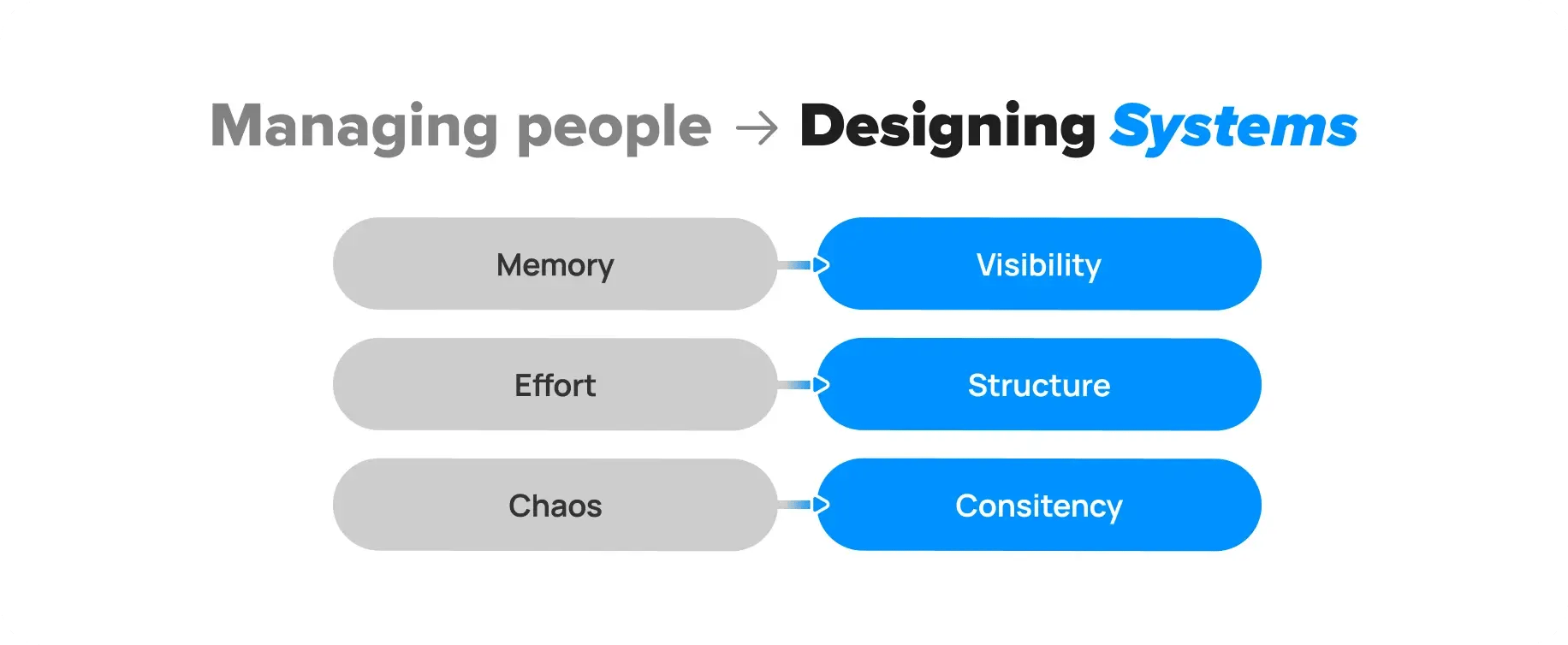
You don’t solve recurring mistakes by telling your team to “be more careful.” You solve them by changing how the business operates. That means building a system where:
- information is centralized
- instructions are visible
- processes are consistent
- execution is trackable
Consistency doesn’t come from effort alone but comes from structure.
What systems actually reduce mistakes in pet care operations
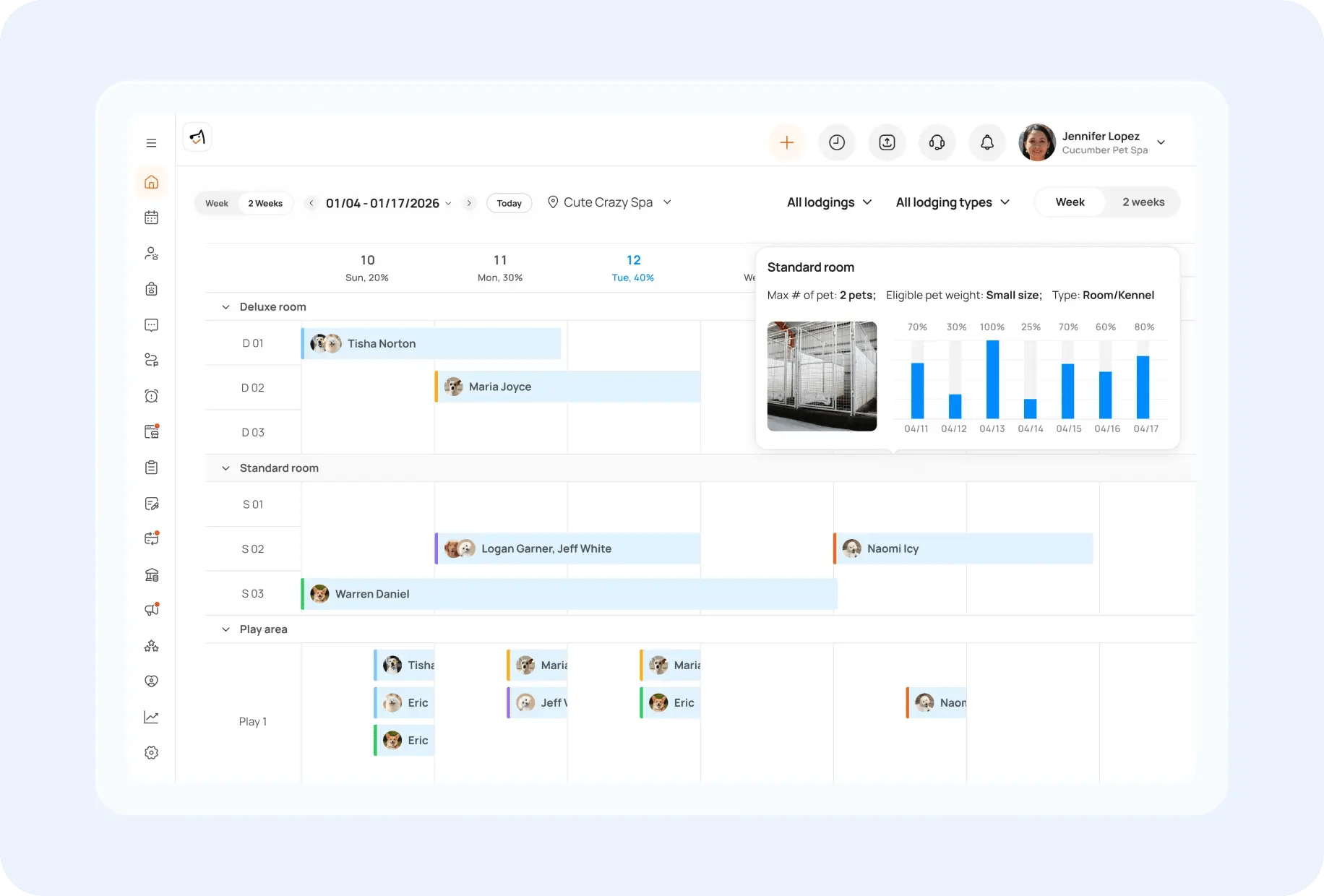
To reduce mistakes at scale, a system needs to:
- bring all information into one place
- connect grooming, boarding, and daycare operations
- standardize how instructions are captured and followed
- provide visibility into what’s happening in real time
Without this, businesses rely on:
- memory
- manual coordination
- fragmented tools
And those don’t scale.
At the surface, these situations can look like isolated mistakes: A missed instruction. A detail that didn’t carry through. A team member who “should have known.”
But when you look closely, the same patterns show up again and again, not because people don’t care, but because of how the business is structured.
How modern pet care businesses are solving this
This is where operational systems become critical. Platforms like MoeGo are designed to centralize pet profiles, service instructions, scheduling, and communication, so teams aren’t relying on memory or disconnected tools.
Instead of information being passed manually between people or systems:
- everything lives in one place
- teams work from the same source of truth
- instructions carry through from intake to execution
The goal isn’t just efficiency, but consistency, visibility, and control as the business grows.
Frequently Asked Questions
How do pet boarding businesses track feeding and medication properly?
By using centralized systems where instructions are stored, updated, and visible to all staff—rather than relying on paper notes or verbal communication.
How do I make sure my staff follow instructions?
Consistency comes from structured workflows and visibility, not just training. Staff need clear, trackable systems to follow.
Is writing things down enough?
Not at scale. Notes alone can be missed or disconnected. They need to be part of a centralized, trackable system.
How can I reduce mistakes in my pet care business?
By shifting from memory-based and manual processes to systems that centralize information, standardize workflows, and make execution visible.

Just starting or adding to your business?
We have flexible plans meant for all stages.


Holiday Grooming Add-Ons: How to Build a Seasonal Menu That Sells Itself
How KLŌS Fine Pet Salon Turned Milton, Georgia's Most Discerning Zip Code Into Its Biggest Advantage