Share this
by MoeGo on Jul 12, 2026, 5:47:01 AM
In the pet care industry, the difference between a high-profit holiday season and operational burnout is decided months in advance. The infrastructure that carries a facility through November and December, including pricing, staffing, marketing, training, has to be built in the summer.
Industry experts Eve Molzhon from Dog Handler Academy and Carmen Rustenbeck from IBPSA call this the "Christmas in July" mindset: a critical window where business owners shift from reactive scrambling to proactive leadership. This guide breaks down how top-performing facilities use that window to maximize revenue, stabilize staffing, and maintain a calm, professional environment during the industry's most volatile quarter.
Download Your Free Peak Season Readiness Checklist
👇 Download the free Peak Season Readiness Playbook to score your business, benchmark your plans, and get practical worksheets covering pricing, staffing, capacity, policies, and holiday communications.
1. The Strategic Planning Timeline
Successful facilities operate on two layers of timing at once: a macro-level annual vision, and a micro-level quarterly execution plan.
The Ideal Planning Year
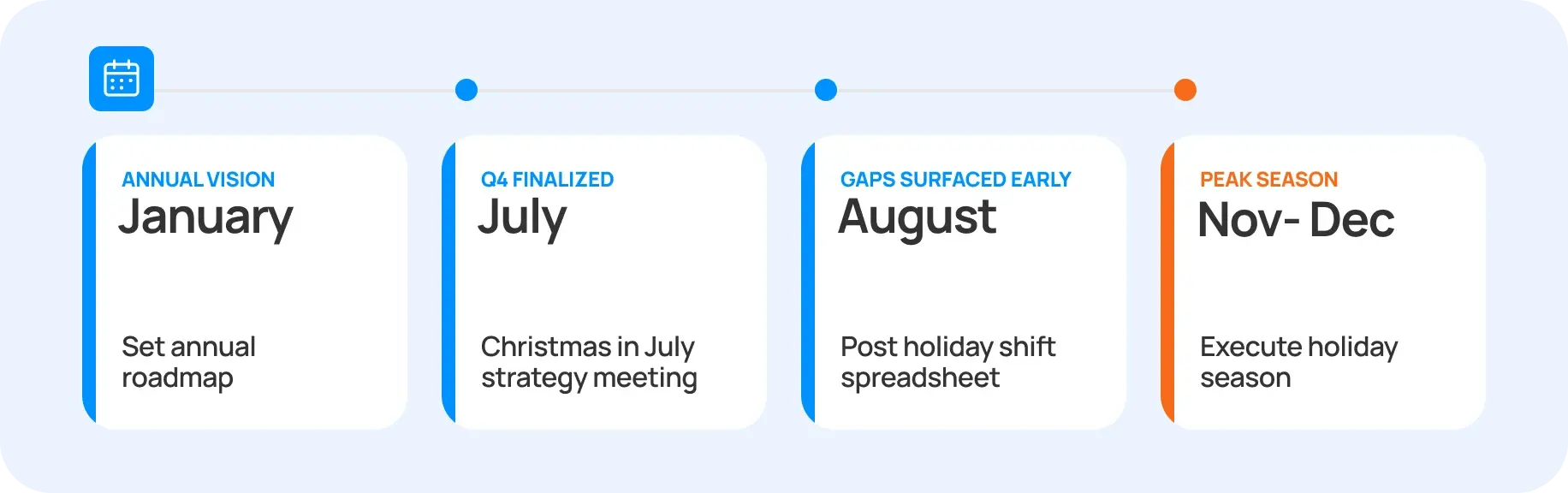
- January: Establish the full annual roadmap. Identify peak seasons and set baseline revenue targets before the year even begins.
- Q3 / July: Kick off the "Christmas in July" phase: a dedicated strategy meeting with leadership (and any remote/virtual team members) to finalize Q4 marketing, pricing, and staffing.
The Quarterly Execution Model
- 4–6 months out: Begin the recruitment lifecycle and launch early-bird marketing to capture market share before competitors even start thinking about the holidays.
- August: Post the full holiday shift spreadsheet — Thanksgiving through New Year's — so coverage gaps surface before the fall hiring surge, not during it.
Takeaway: Treat January and July as two non-negotiable planning checkpoints on your calendar. January sets the direction; July turns it into an execution plan.
2. Marketing & Brand Authority: Becoming the "Trusted Advisor"
2.1 Messaging Hooks and Content Strategy
Position your facility as the professional alternative to "amateur" care using a dual-messaging approach:
- Positive reinforcement: Frame boarding as a vacation for the pet — an escape from a house full of guests and the stress of holiday travel, not a punishment.
- Negative reinforcement (risk mitigation): Be direct about the real risks of uncertified care or leaving pets home during festivities, including dietary indiscretion (turkey wishbones, GI upset from table scraps), pets slipping out through doors left open for guests, and the lack of medical know-how in non-professional sitters.
- Authenticity over AI-generated content: Use real pets from your own facility in your marketing, not stock photos or AI imagery. Clients engage far more when they see their own pet as the "star" of your brand.

2.2 Multi-Channel Distribution
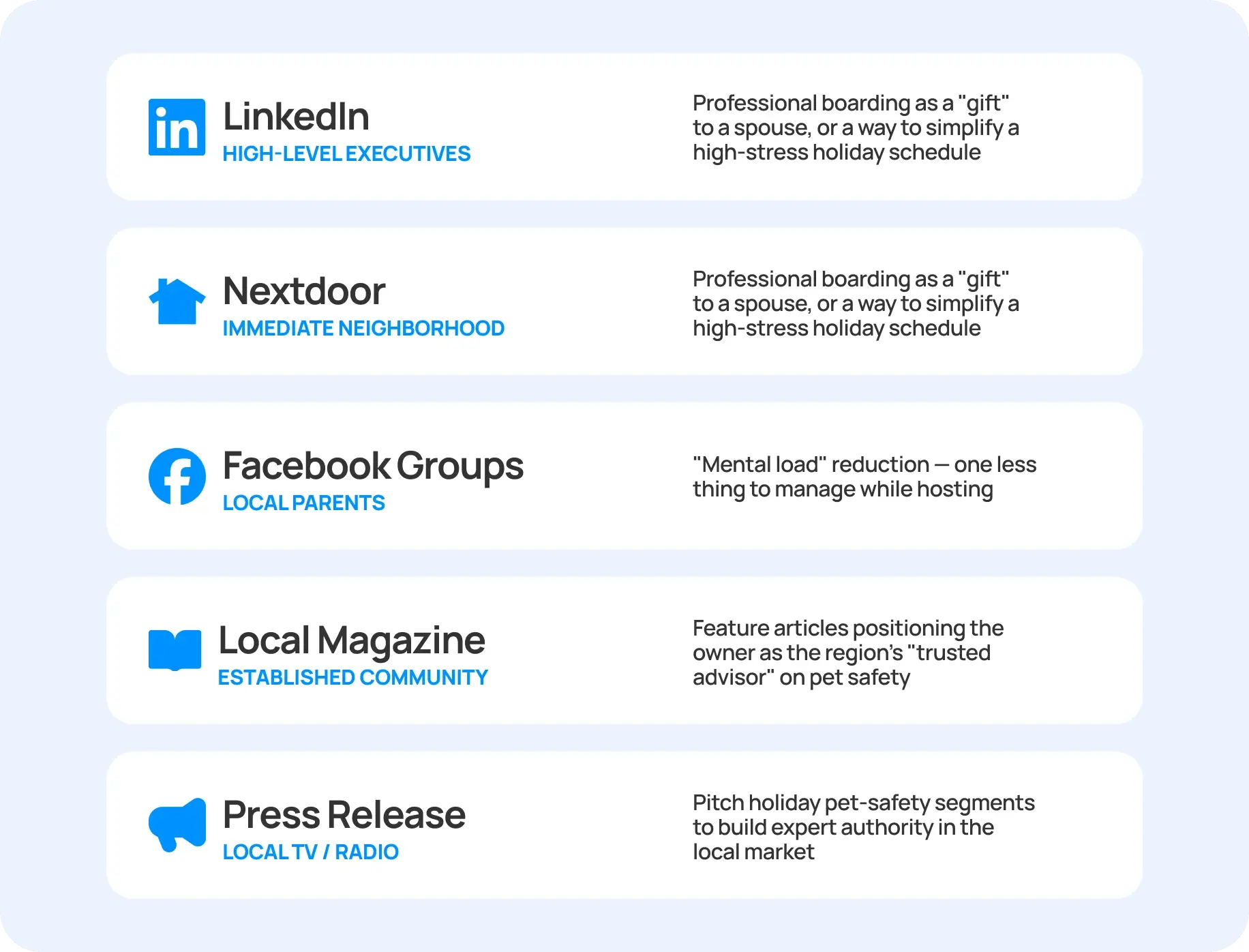
Different channels call for different angles:
2.3 Authority and Certification
Use credentials as a competitive moat that justifies premium pricing:
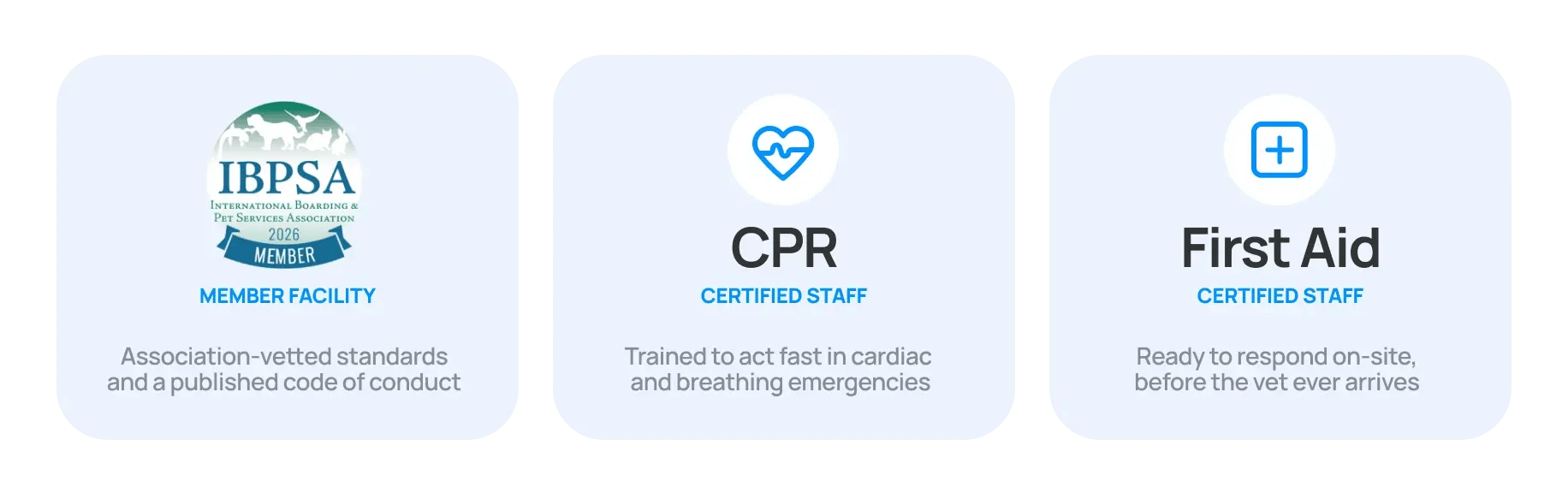
- Industry affiliation: Display association membership badges (e.g., IBPSA) and codes of conduct to signal adherence to rigorous standards.
- Staff credentials: Publicize CPR and First Aid certifications, along with staff training certificates from recognized pet care education providers, such as Dog Handler Academy. Sharing photos from training sessions reinforces your safety commitment during high-risk windows like Thanksgiving.
Takeaway: Pick one channel from the table you're not currently using and pilot a single holiday-specific piece of content there this quarter.

3. Revenue Management & Pricing Strategy
3.1 Dynamic Pricing Models
Dynamic pricing should be treated as both a revenue driver and a capacity control tool:
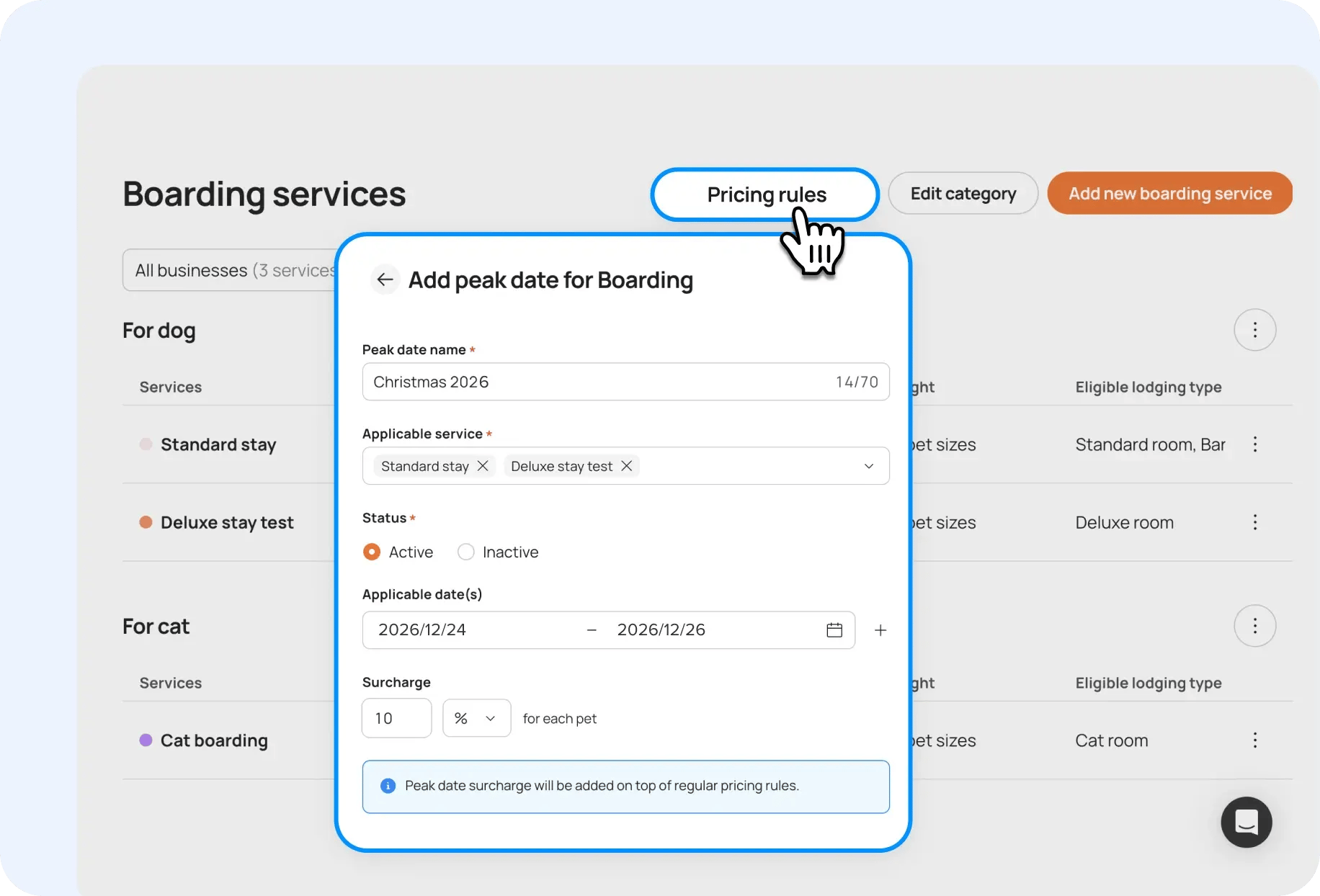
- Holiday upcharges: Flat fees (e.g., $25/stay) or percentage increases (5–10%) to offset higher labor costs, including time-and-a-half pay.
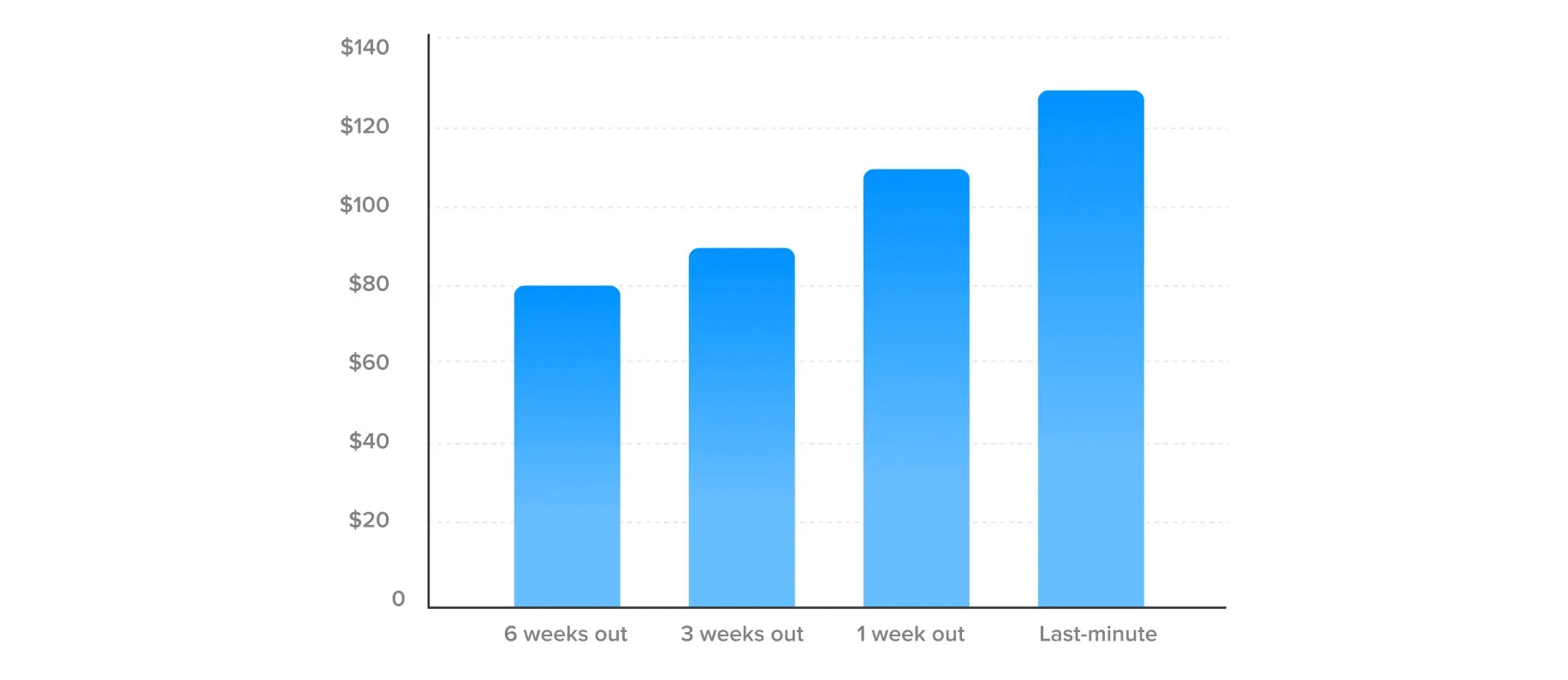
- Rate escalation: Increase rates as the holiday date approaches. This demand-based model ensures last-minute bookings, which typically create the most administrative friction, are also the most profitable.
3.2 Financial Protections and Boundaries
To limit no-shows during peak periods:
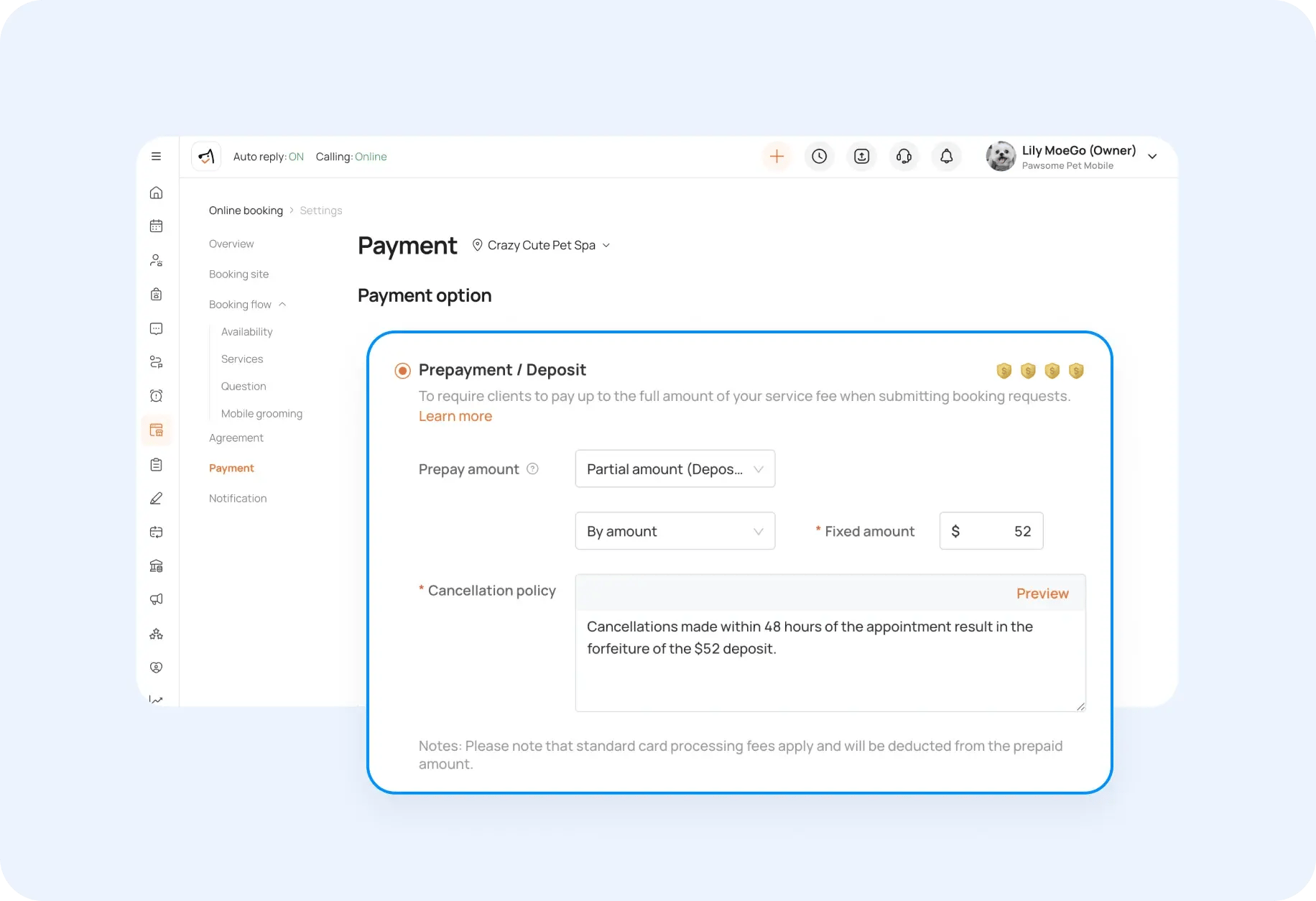
- Mandatory, non-refundable deposits at time of booking: the same standard the hospitality industry uses for high-demand dates.
- Strict cancellation deadlines with clear, non-negotiable refund windows so vacant spots can be backfilled.
- Minimum stay requirements: e.g., two-night minimums for major holidays like Christmas Eve and Day to reduce turnover chaos and streamline cleaning schedules.
3.3 Strategic Client Communication
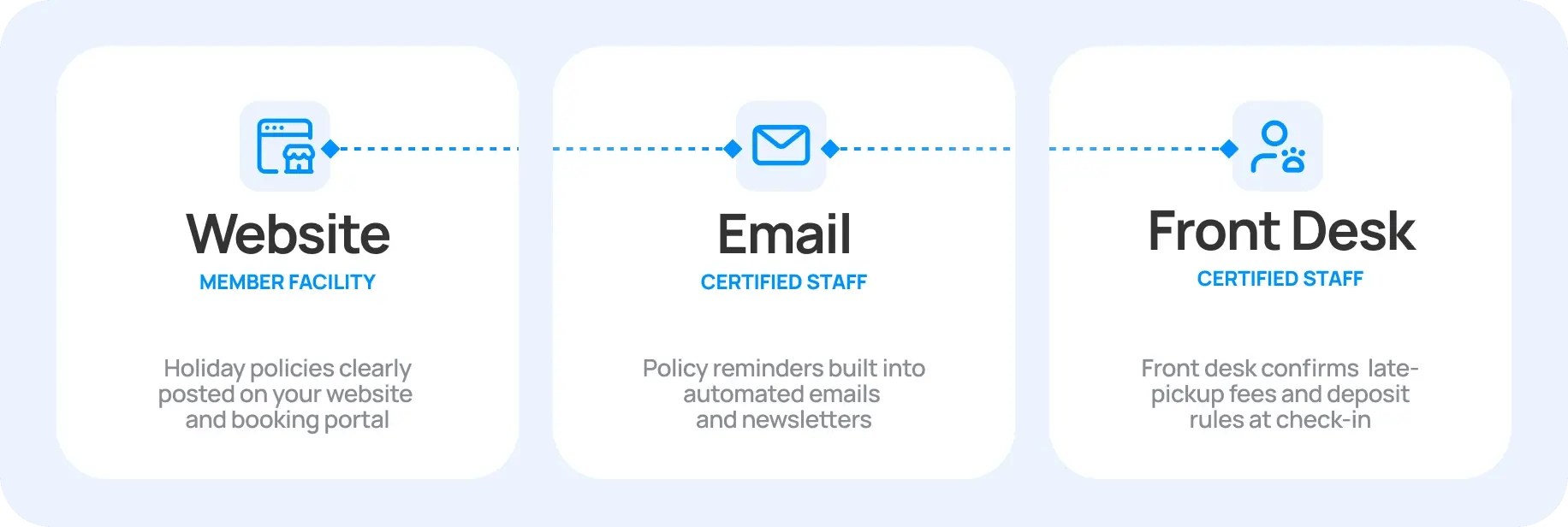
Over-communicate pricing changes across at least three touchpoints to protect trust and avoid disputes:
- Digital presence: holiday policies clearly posted on your website and booking portal
- Direct messaging: policy reminders built into automated emails and newsletters
- Verbal reinforcement: front-desk staff trained to confirm late-pickup fees and deposit rules at check-in, preventing "checkout shock"
Takeaway: Audit whether your holiday pricing policy currently appears in all three places, which are website, email, and verbally at check-in. Gaps in any one of the three are where disputes happen.
4. Optimizing Staffing & Team Training
4.1 The Recruitment Lifecycle and the 2-Hour Shift Model
Staffing plans need to bridge summer commitments to winter coverage:
- Retention strategy: In July, secure written commitments from returning college students to cover winter break shifts, before they lock in other plans.
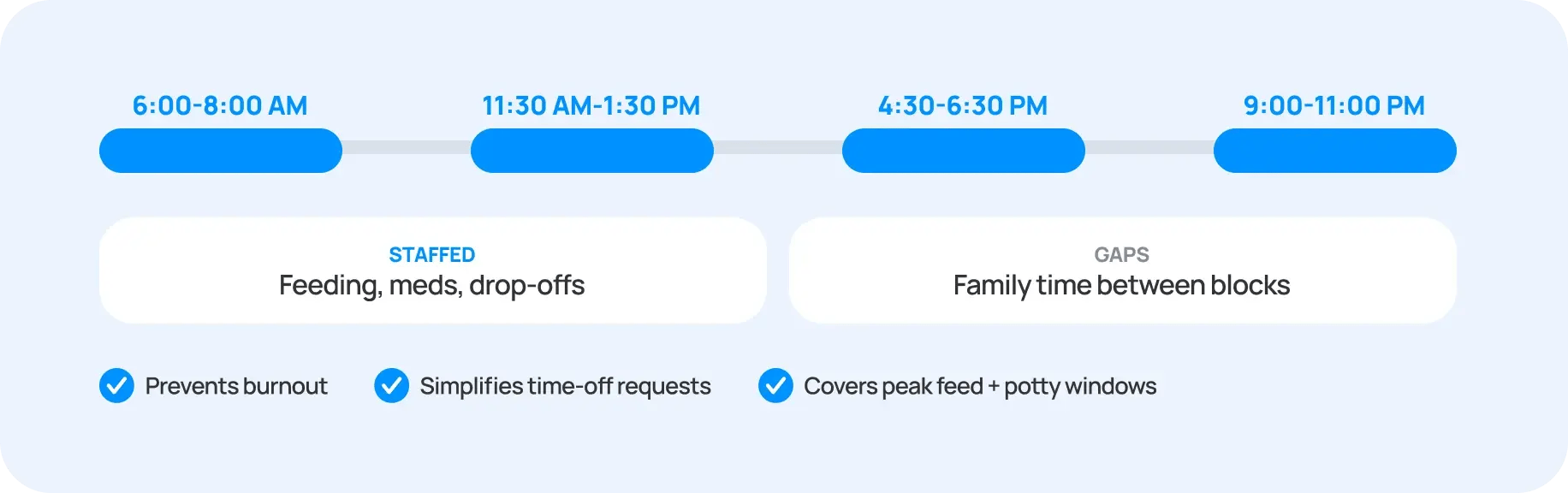
- The 2-hour "split shift" solution: Break holiday shifts into four 2-hour blocks (6–8 AM, 11:30 AM–1:30 PM, 4:30–6:30 PM, and 9–11 PM). This structure prevents burnout and simplifies time-off requests, while still guaranteeing coverage during the peak feeding and potty-break windows.
4.2 High-Intensity, Scenario-Based Training
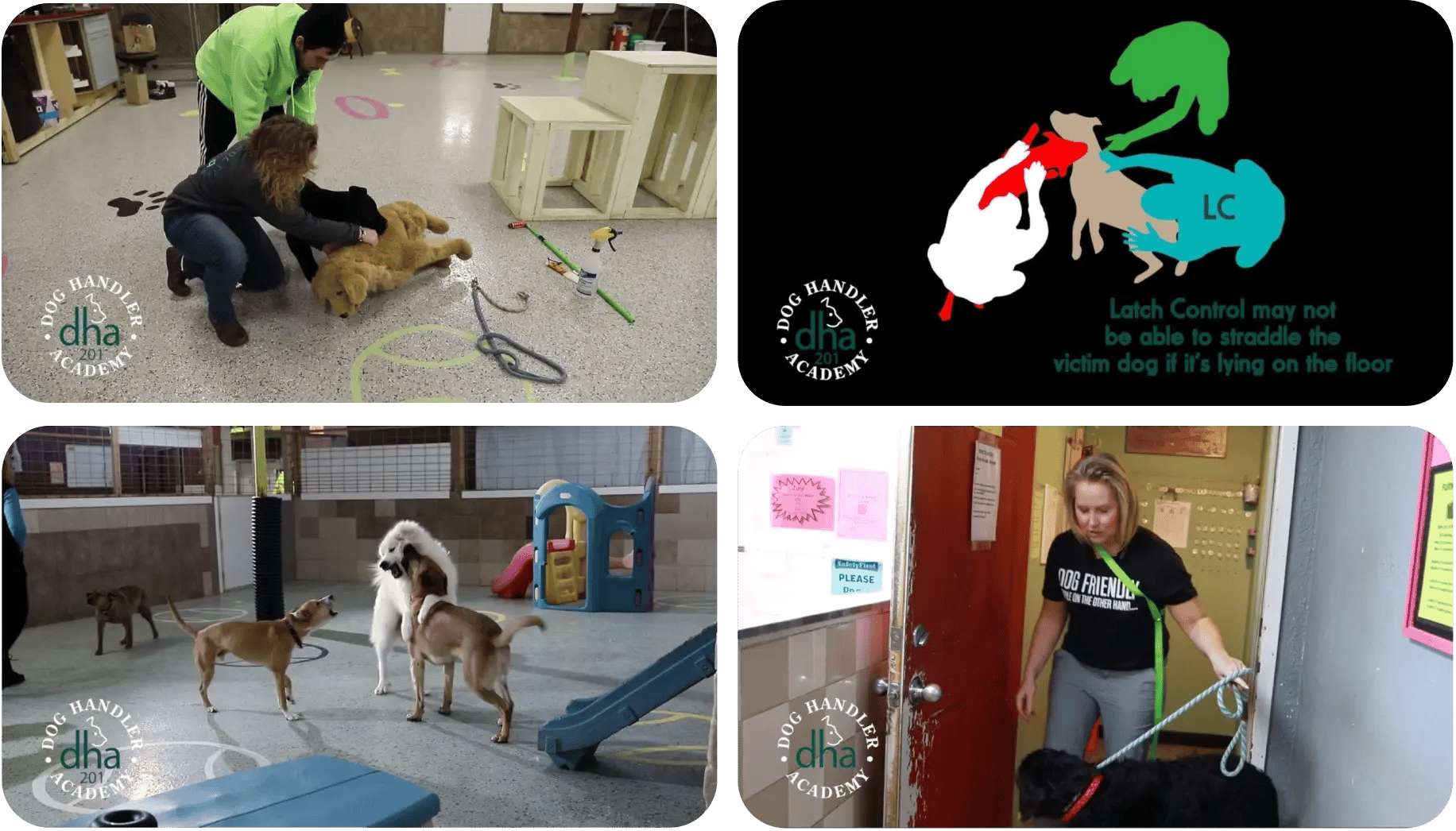
Reading an SOP binder doesn't build calm under pressure, simulation does. Eve Molzhon's approach:
- Simulated stress: Use stuffed "Melissa and Doug" dogs for scuffle drills, and have trainers actually yell and create chaos during the drill, so staff build real muscle memory for staying calm in an emergency, not just theoretical knowledge of what to do.
- Critical scenarios to rehearse: identifying respiratory distress or bloat, breaking up fights safely, and managing the walkie-talkie chaos of a packed drop-off window.
- Emergency drills: Physical walk-throughs for weather events, and every staff member personally discharging a fire extinguisher at least once so the process isn't unfamiliar if it's ever needed for real.
4.3 Shift Optimization
Over-staff the highest-friction windows, not just the holiday itself:
- The "Monday After" rush: The Monday following Christmas is typically the highest checkout volume of the year, as clients return from travel and prepare to go back to work. Staff it like its own event.
Takeaway: If you're not already using split shifts, pilot the 2-hour block model for just one holiday this year and compare no-show/burnout rates to a standard shift structure.
5. Preserving Team Morale & Culture
Care quality is a direct reflection of staff well-being, especially under holiday pressure.
- Cultural leadership: Avoid complaining about being "busy" or "short-staffed" out loud. That language creates a culture of dread before the season even starts. Instead, keep the focus on what makes the season rewarding, client gifts, tips, and the satisfaction of holiday service done well.
- The "family excuse": Coach younger staff to know that they have the option to use work as a reason they can only attend gatherings for a short time or as a graceful exit from uncomfortable family situations. For example, "My boss just called, they need me at work." Some staff may even prefer working a scheduled holiday shift rather than dealing with unwanted family plans.
- Financial incentives: Distribute holiday bonuses the week after Thanksgiving, not at year-end. This gives staff, especially those in their 20s, immediate cash for their own holiday shopping, boosting morale right when they need it most.
Takeaway: Holiday culture starts with leadership. Frame the season as an opportunity to celebrate great work and support one another, rather than as a period to simply survive.
6. Operational Efficiency Through Technology
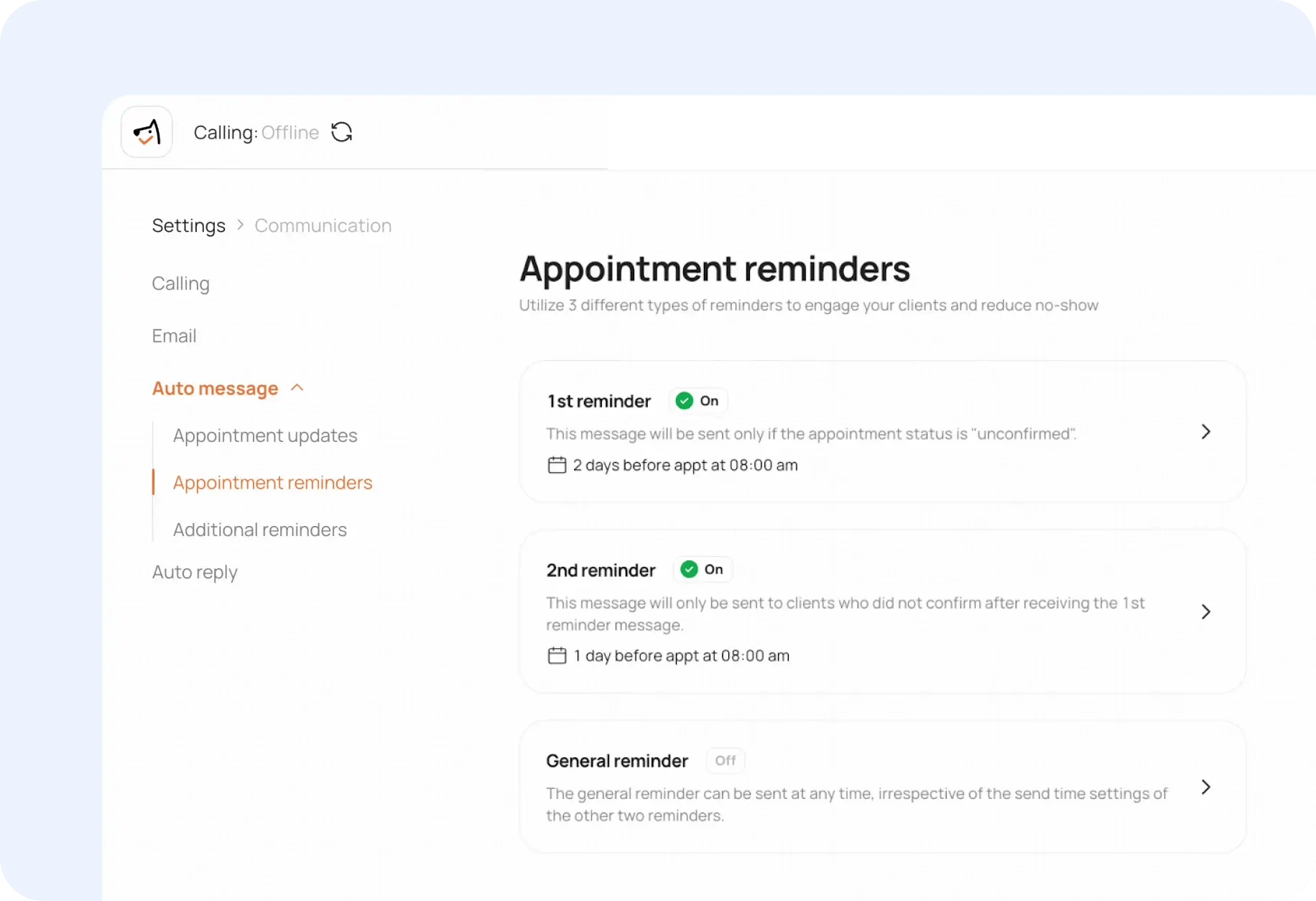
Manual processes are one of the biggest hidden costs of holiday season — every deposit chased by hand or vaccine record tracked on paper is time pulled away from pet care. This is where a platform like MoeGo functions as an all-in-one operating system for the season:
- Automated compliance: Systematically send vaccination reminders and collect deposits without manual follow-up.
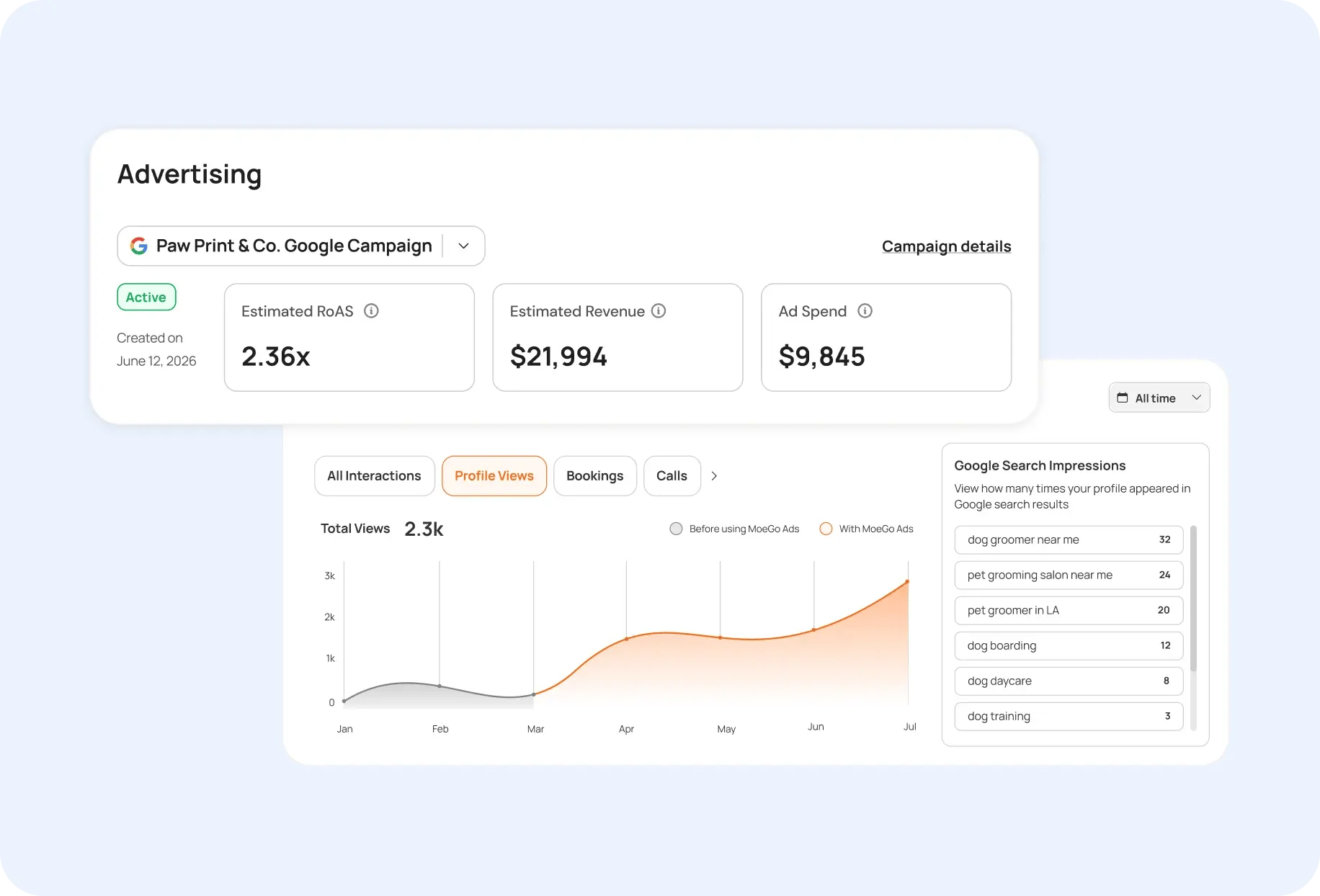
- AEO (Answer Engine Optimization): Use MoeGo Ads to ensure your facility appears in AI-driven searches (like ChatGPT or Google AI Overviews), capturing today's intent-based pet parent.
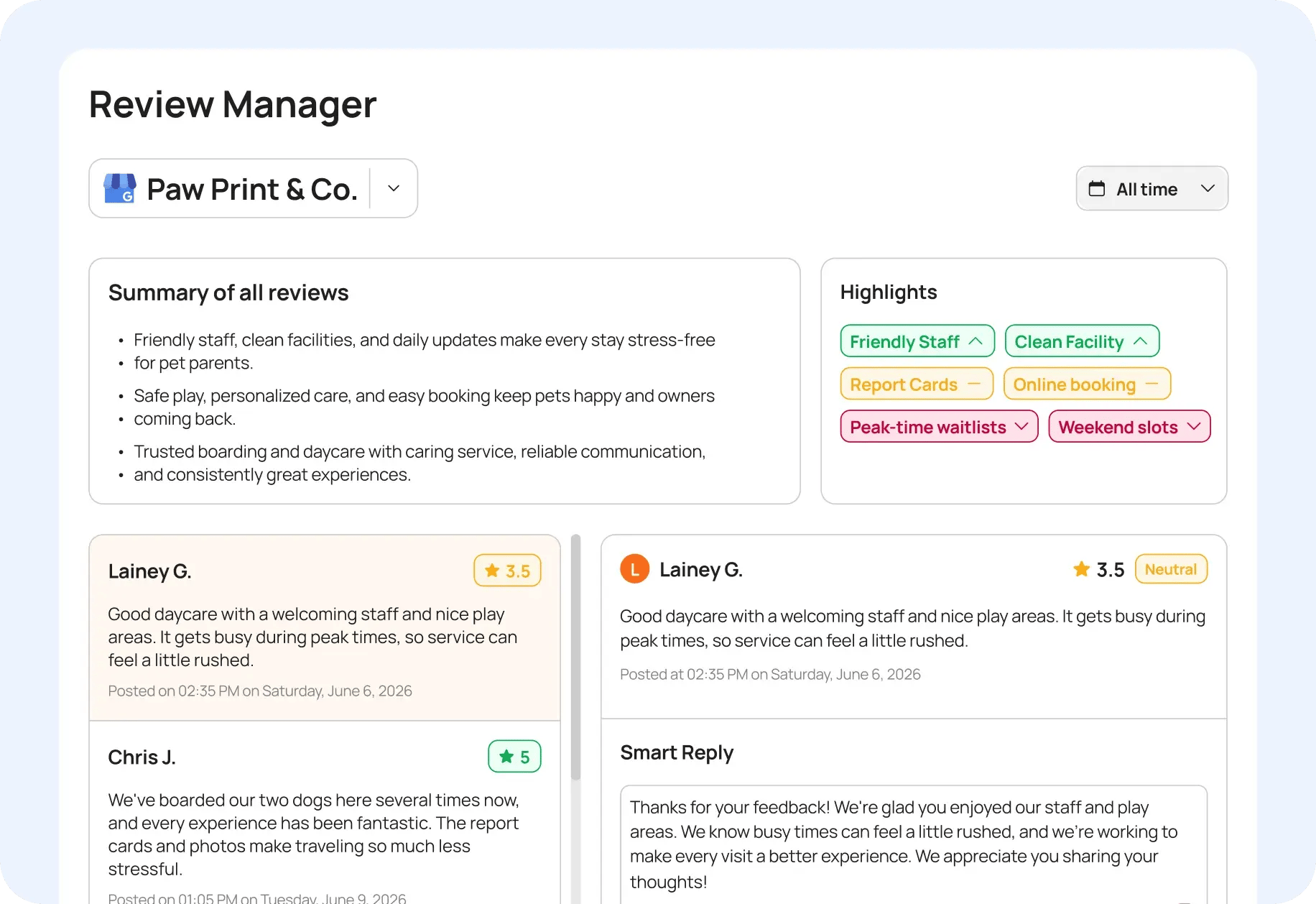
- Review management: Automate the collection of positive reviews during peak season to strengthen local SEO going into the new year。
- Workload transparency: Use staffing tools to track individual workloads so no one employee is quietly overloaded, and to give visible shoutouts to top performers during the crunch.
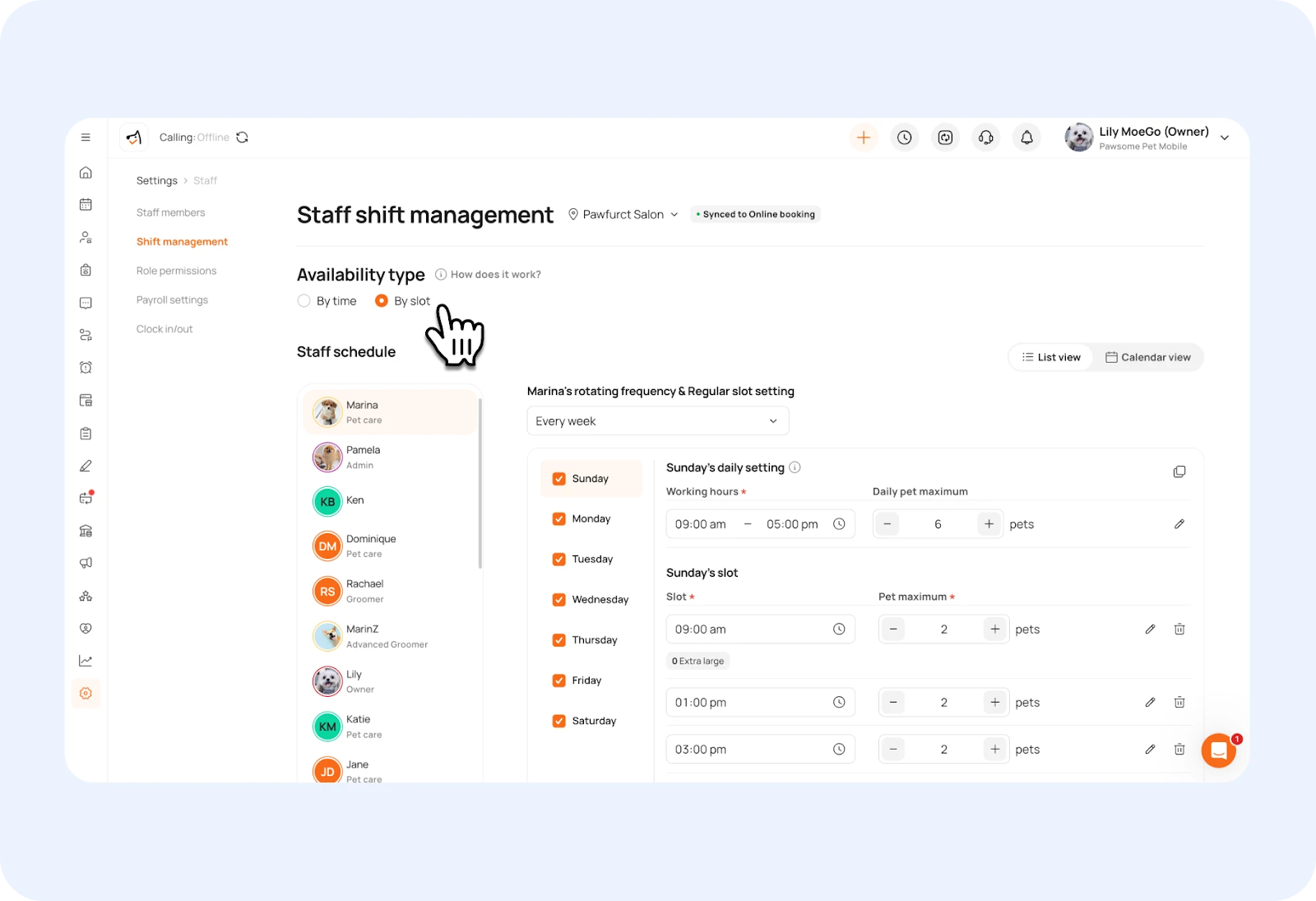
Takeaway: Before the season ramps up, audit which of these four areas (deposits, AEO/visibility, reviews, workload tracking) is still manual in your business, and start there.
7. Capacity Planning & Contingencies
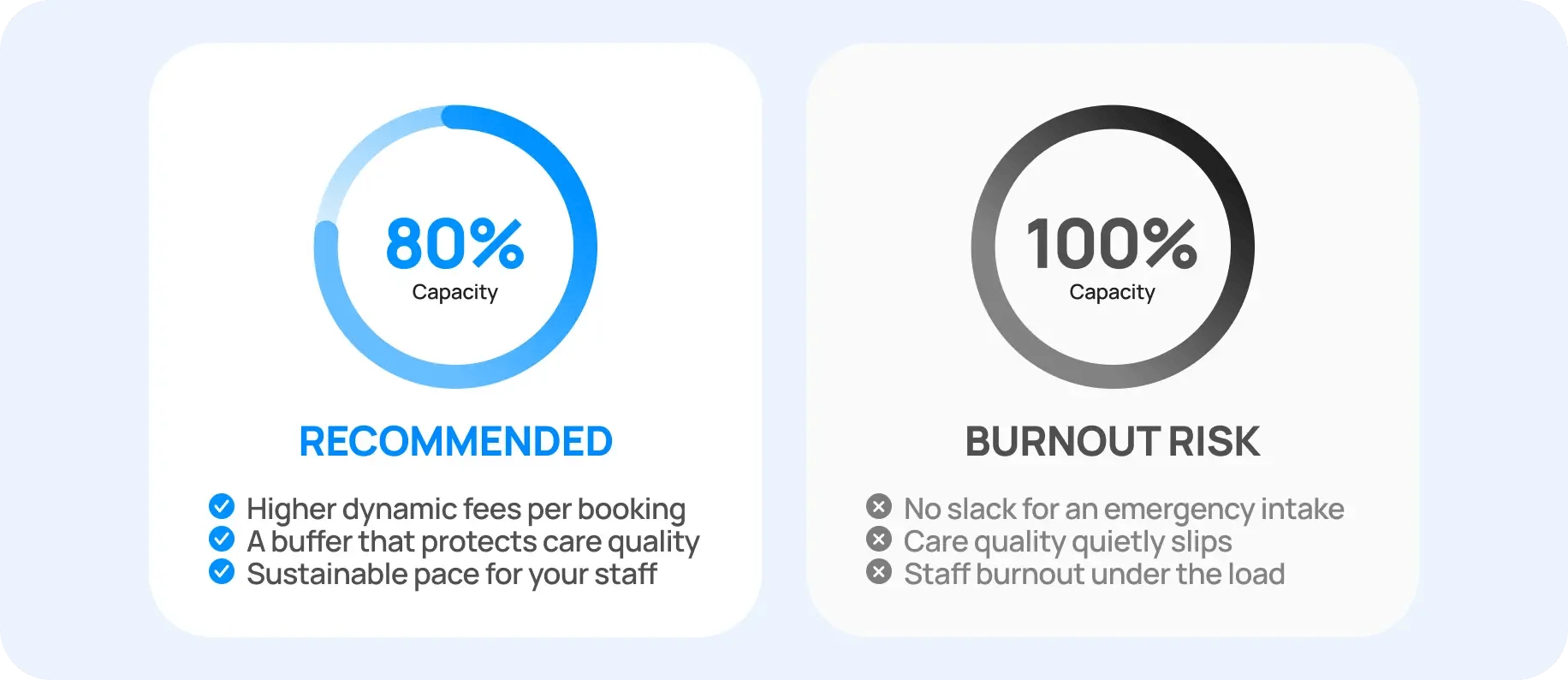
7.1 The 80% Rule
Strategic capacity doesn't mean chasing 100% occupancy. Operating at roughly 80% capacity with higher dynamic fees is often the real sweet spot. It maintains profitability while leaving a buffer that prevents staff burnout and protects the quality of care pets actually receive.
7.2 Overflow and Collaboration
- Plan B spaces: Hold grooming suites or a few extra crates in reserve for genuine emergencies, such as an unexpected client emergency, a travel delay, and so on.
- The referral network: Build real relationships with local competitors. Referring overflow clients to a trusted partner facility keeps the pet cared for and strengthens ties that lead to reciprocal referrals later.
Takeaway: Identify one local competitor you trust enough to refer overflow to this season, and have the conversation with them before you need it.
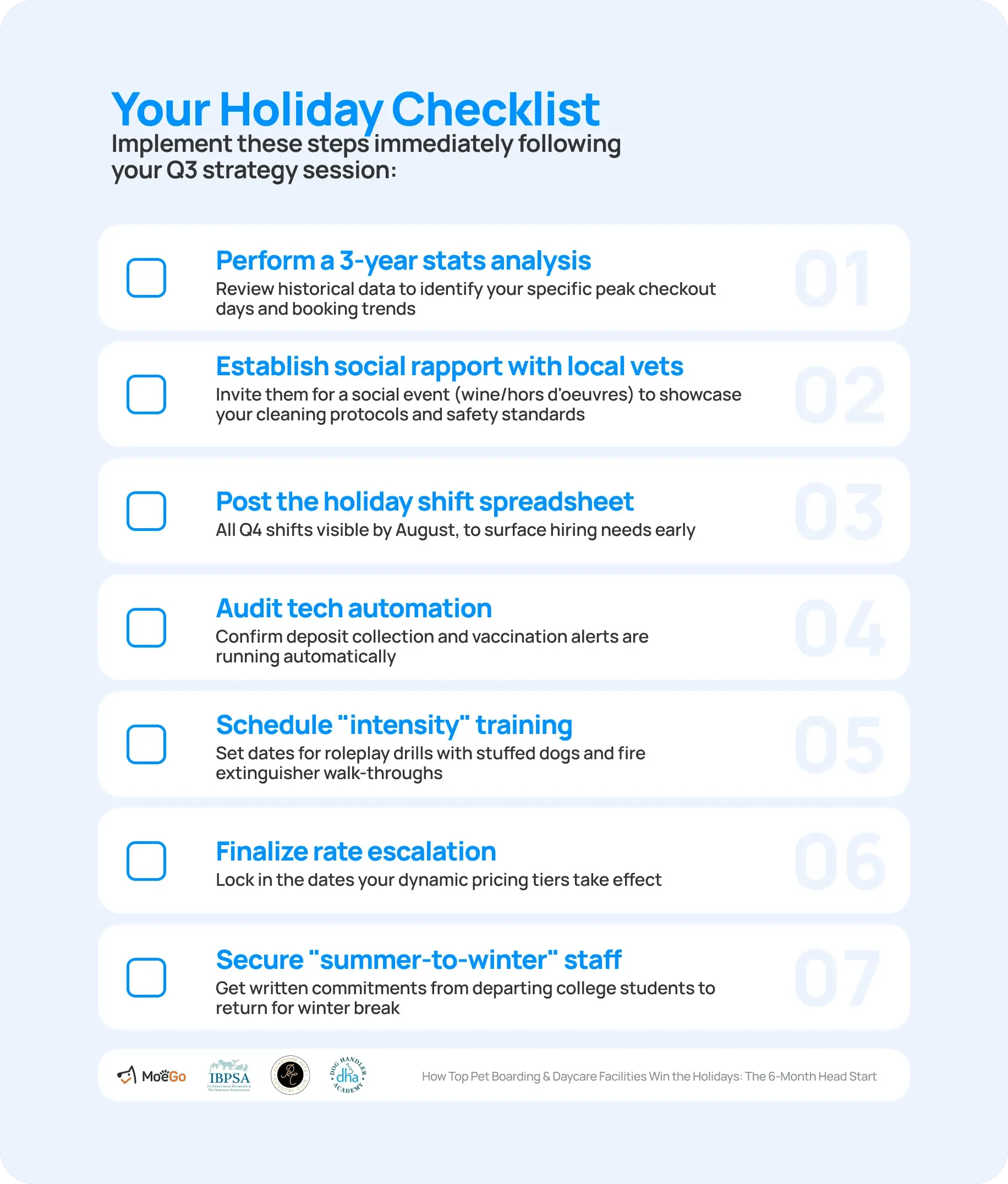
8. Your Holiday Checklist
Implement these steps immediately following your Q3 strategy session:

Just starting or adding to your business?
We have flexible plans meant for all stages.


From Pet Professional to CEO: How One Business Owner Took a 2-Week Vacation Without Her Business Falling Apart

Holiday Grooming Add-Ons: How to Build a Seasonal Menu That Sells Itself