Share this
by MoeGo on Nov 9, 2026, 11:54:00 AM
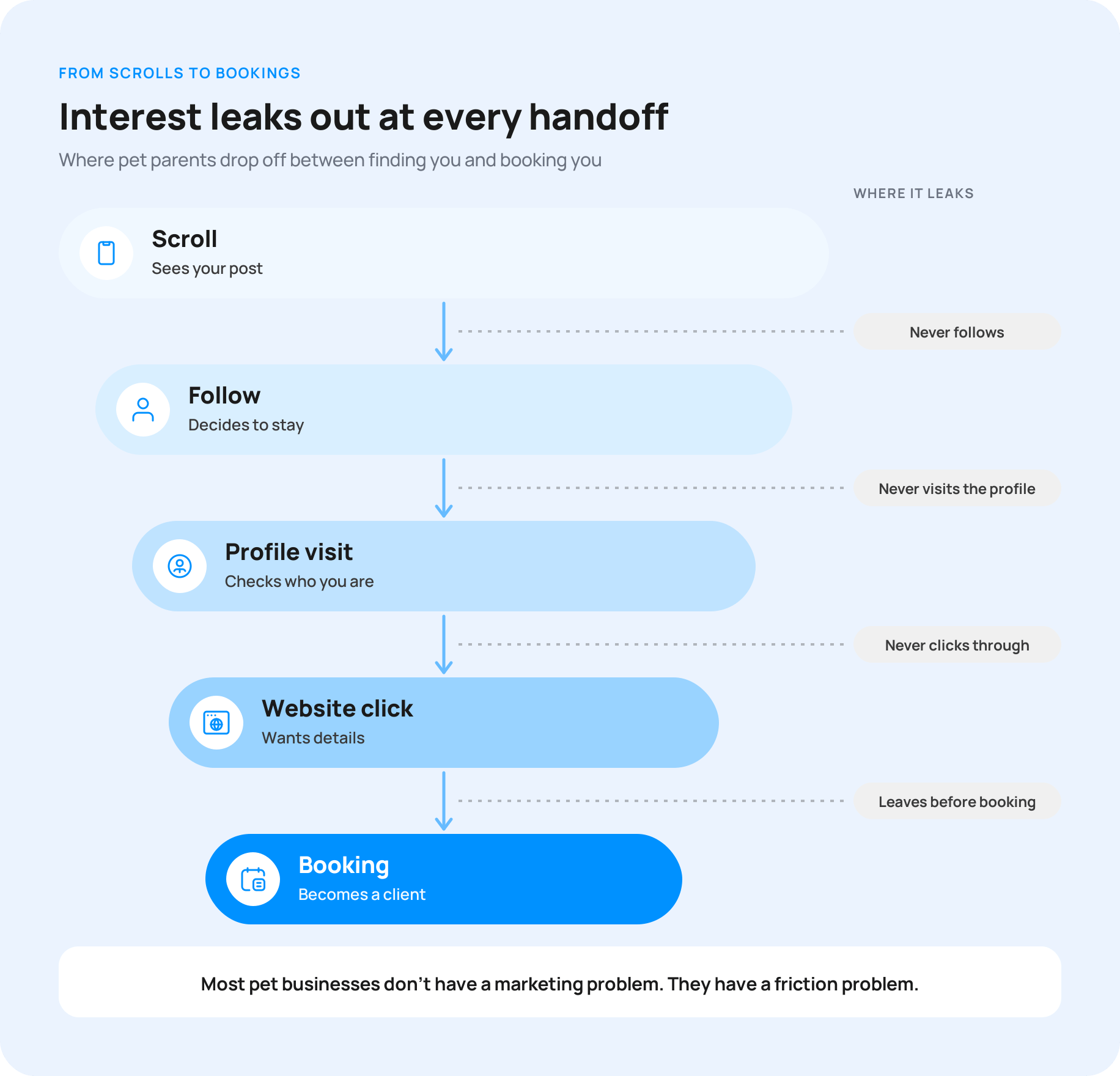
Most pet businesses don't have a marketing problem. They have a friction problem. Pet parents find you on social media, land on your website, and leave before booking because the path is unclear or too slow.
That gap between "I love this" and "I booked" is where most pet businesses quietly lose clients. In Part 4 of MoeGo's Pet Business Leadership Playbook, Charlotte Perrott, founder of Canine Marketing Support, and Matt Aldrich, founder of Pet Engine Marketin, showed exactly where it happens and how to close it, including the $12 hook that beat every sales pitch and the 3-tap test every pet business website should pass.
Here is what they told grooming, boarders, and daycares businesses to do:
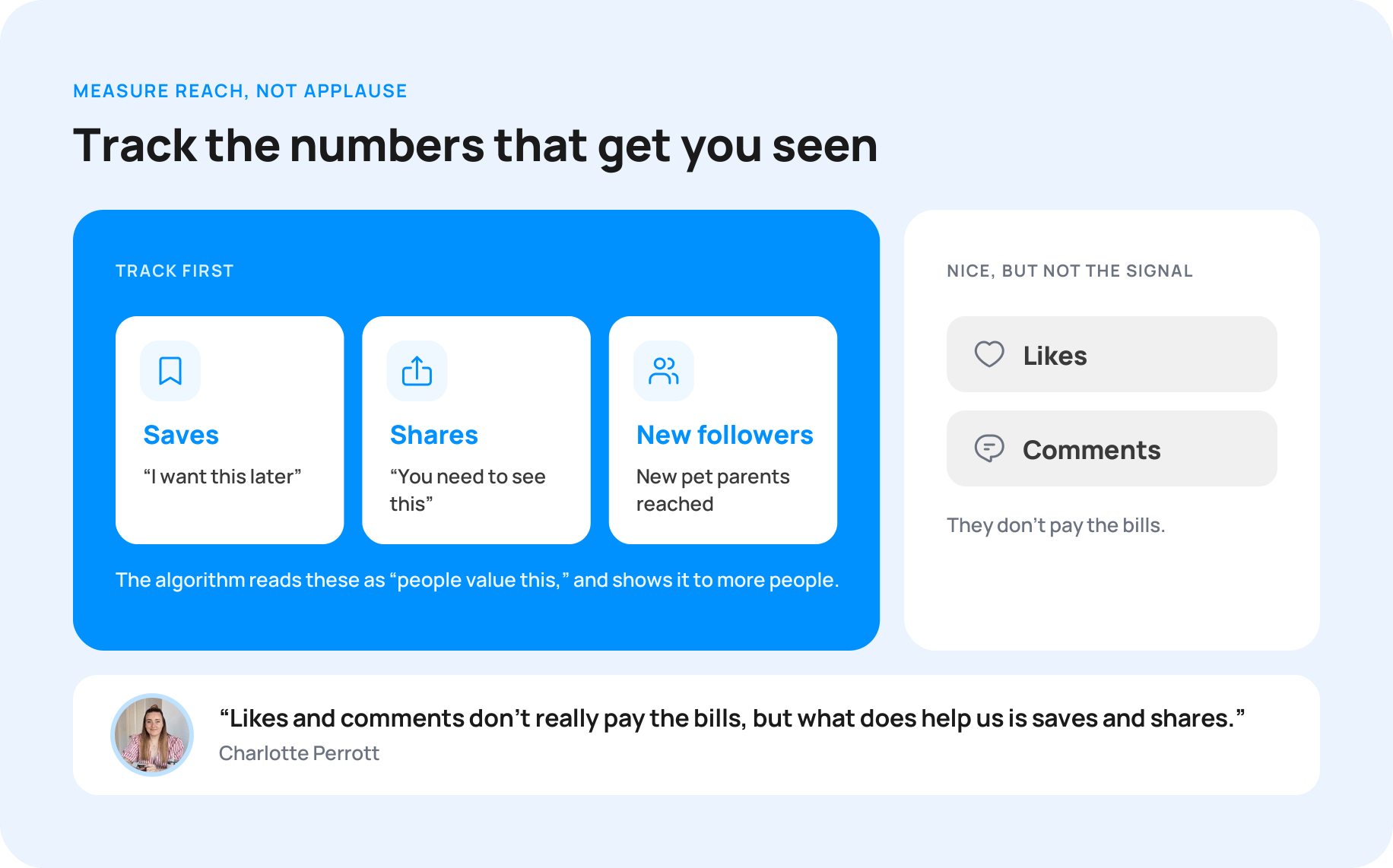
- Optimize social for reach, not likes. Saves, shares and new followers tell the algorithm your content is worth showing. Likes and comments don't pay the bills.
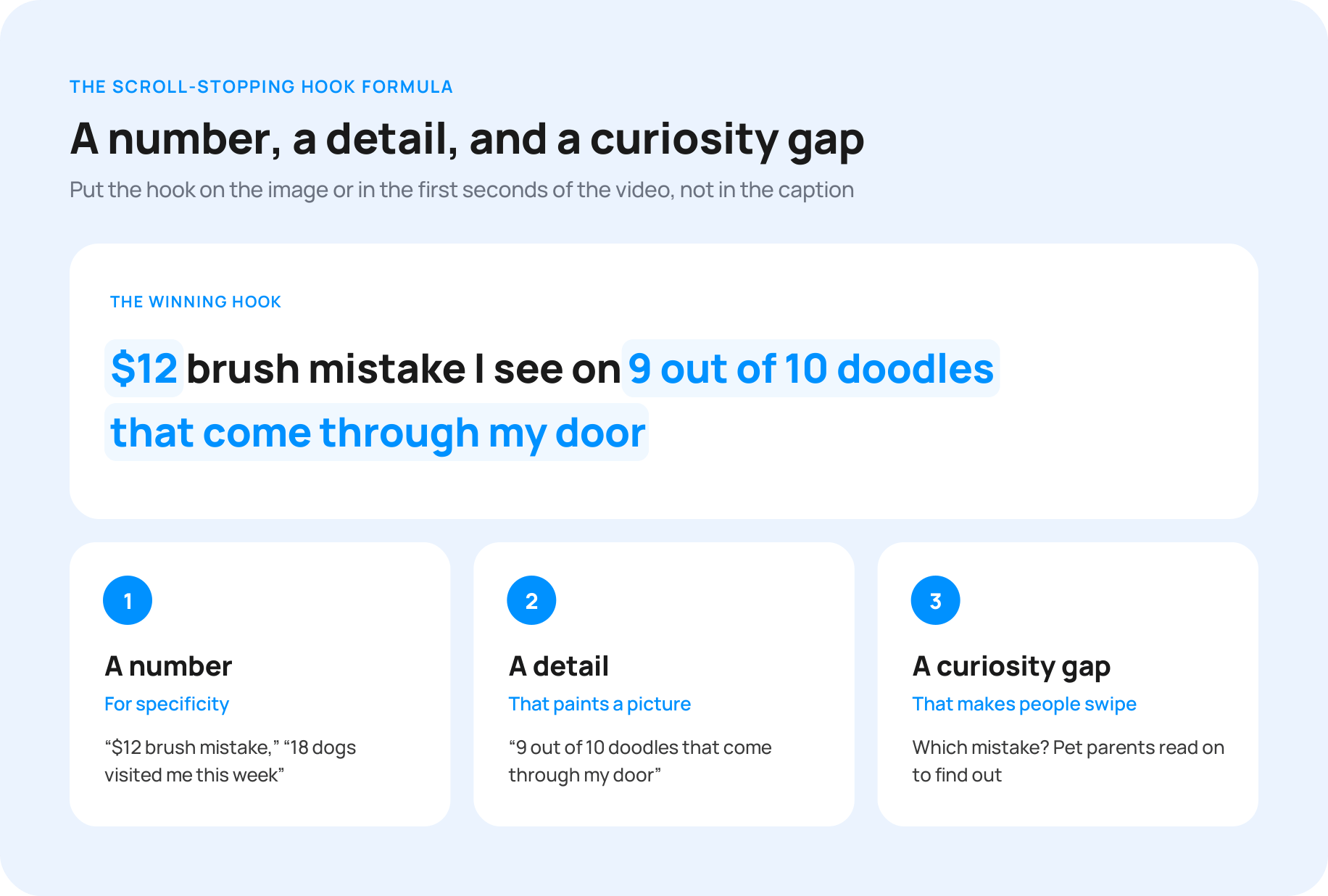
- Write hooks with a number, a detail and a curiosity gap. Put the hook on the image or in the first seconds of the video, not in the caption.
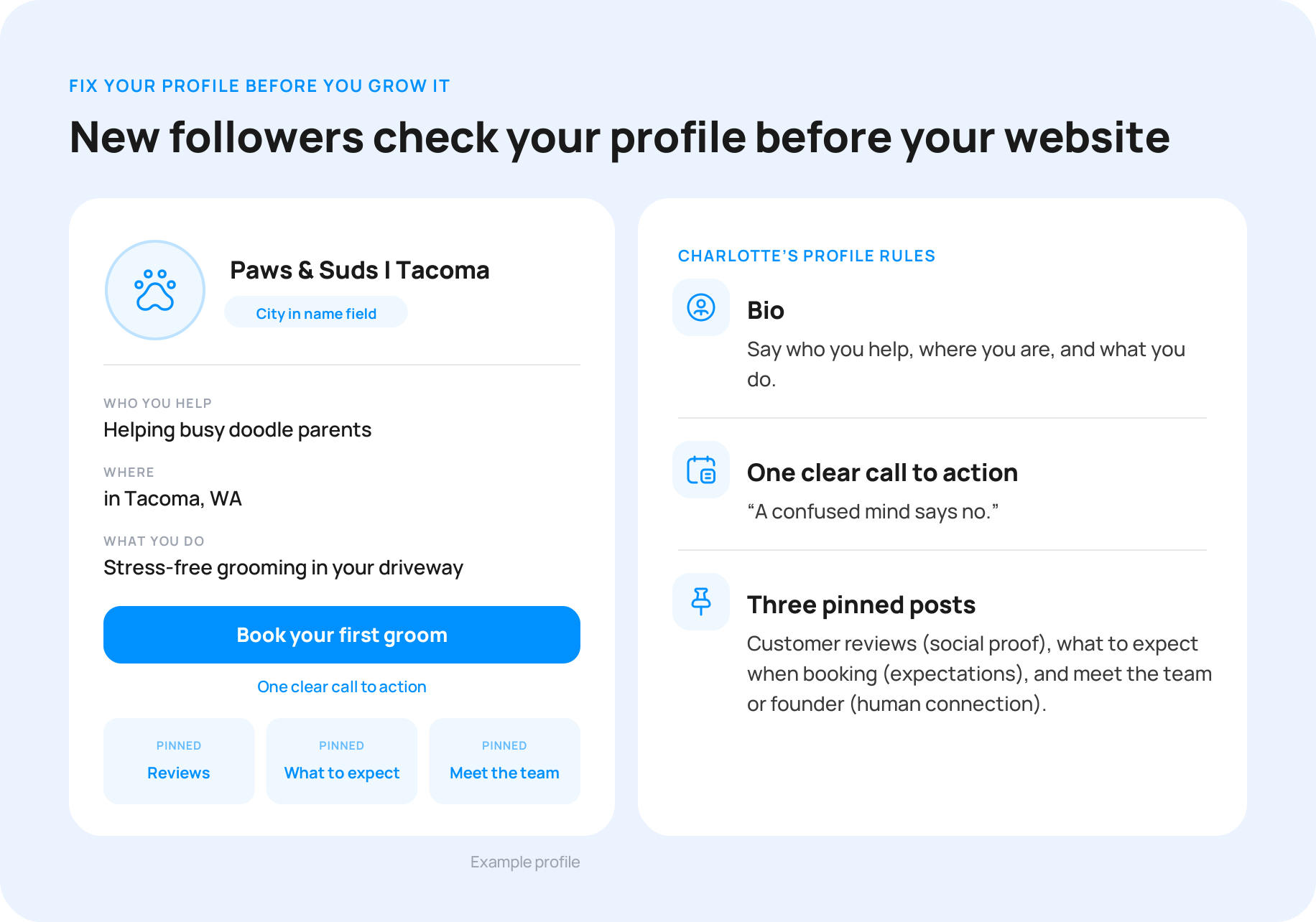
- Make your bio say who you help, where, and what you do, plus one clear call to action.
- Build a website on four standards: trust, clarity, speed and convenience.
- Pass the 3-tap rule. A new visitor on a phone should be able to start a booking in three taps or fewer.
The challenge: getting found, then getting booked
When MoeGo polled its Facebook community of pet business owners, the #1 marketing challenge was simple: getting prospective clients to discover the business at all.
Pet care owners already spread their time across Instagram, a website, SEO, paid ads and email. The trouble is that effort on one channel rarely carries through to a booked appointment. Interest leaks out at each handoff: a scroll that never becomes a follow, a profile visit that never becomes a website click, a website visit that never becomes a booking.
To map where those leaks happen, MoeGo brought in two experts:
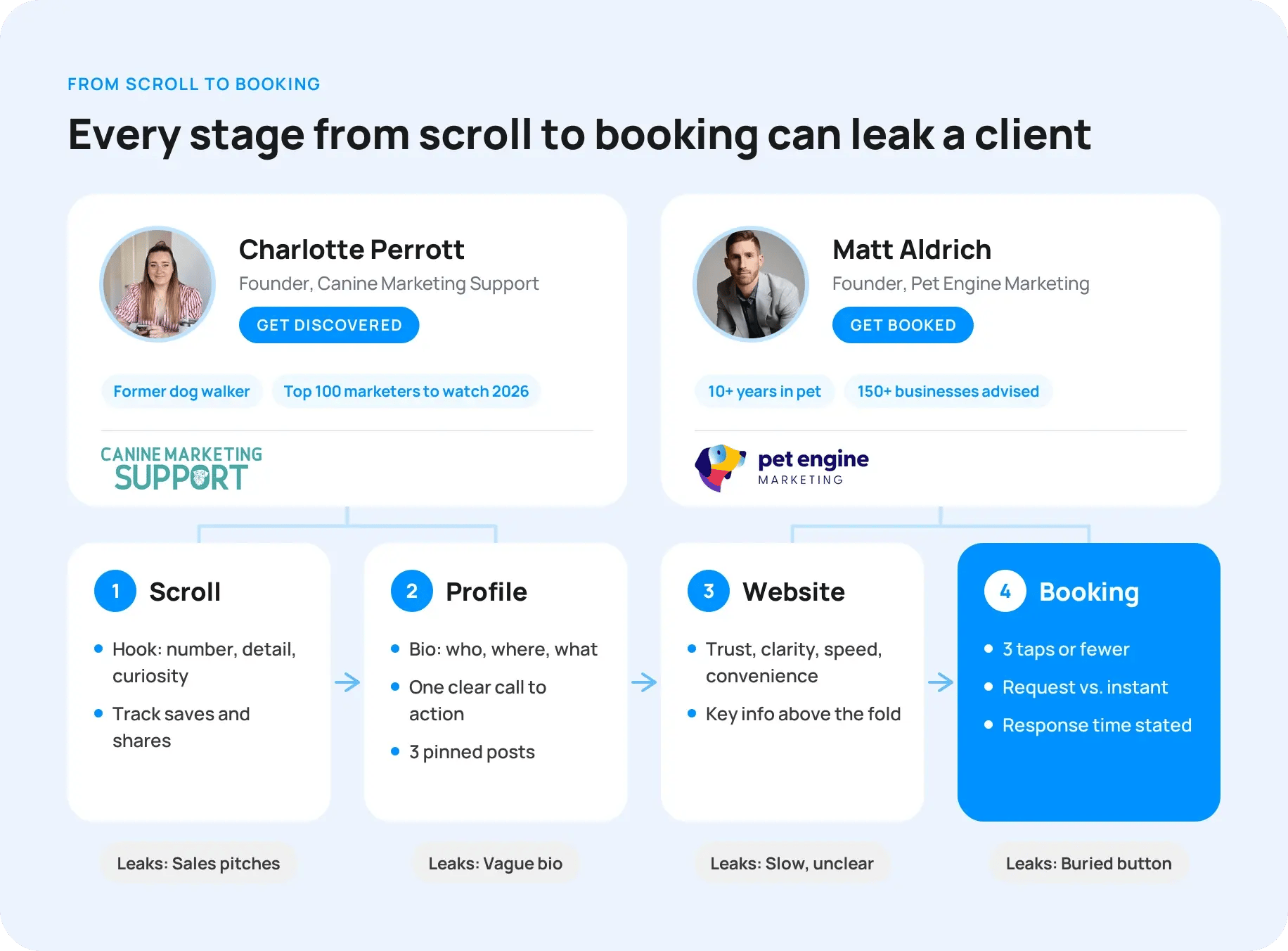
- Charlotte Perrott, founder of Canine Marketing Support and a former dog walker, named one of Alt Marketing School's top 100 marketers to watch in 2026. She covered the top of the funnel: discovery and social content.
- Matt Aldrich, founder of Pet Engine Marketing, with 10+ years in the pet industry and advisory work with 150+ pet care businesses. He co-founded the Pet Industry Network, writes for Pets Plus Magazine, and has spoken at Global Pet Expo and SuperZoo. He covered the middle and bottom: trust, website and booking.
Stage 1: Get discovered on social media
Meet Sophie, your next client
Charlotte framed the top of the funnel around "Sophie." She brought home a doodle puppy three weeks ago, and it's 10 PM. She's doom-scrolling Instagram.
Sophie doesn't know your business exists. She doesn't care about your certifications or your open slots this week. She cares about her puppy. Top-of-funnel content has to meet her there.

Measure reach, not applause
The goal at this stage is reach: getting in front of new pet parents. That changes which numbers matter.
"Likes and comments don't really pay the bills, but what does help us is saves and shares because Instagram and a lot of the other algorithms use that as a signal that people like the content." — Charlotte Perrott
Track saves, shares and new followers first. Likes and comments are nice, but they aren't the signal.
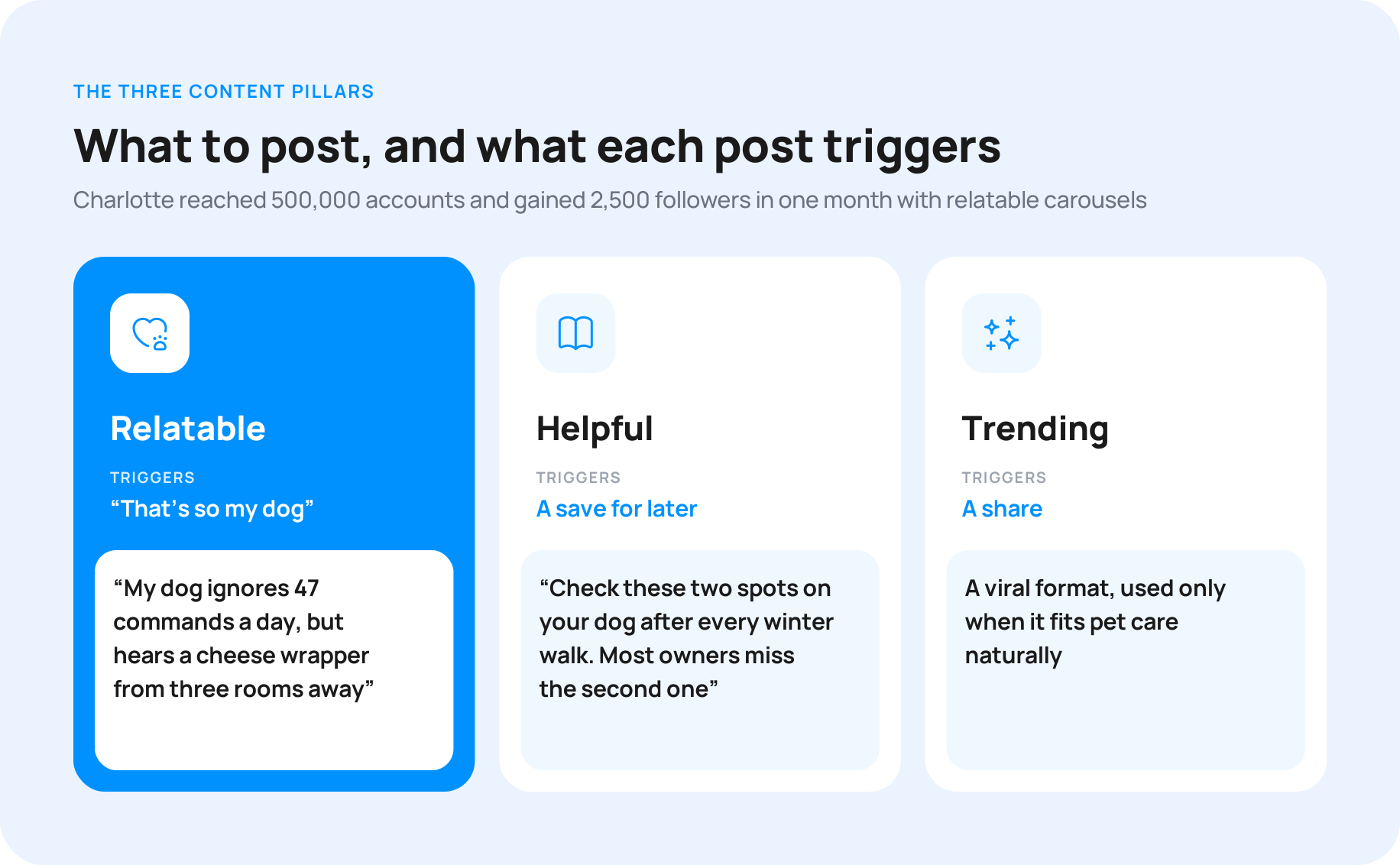
The three content pillars
|
Pillar |
What it triggers |
Example |
|
Relatable |
"That's so my dog" |
"My dog ignores 47 commands a day, but hears a cheese wrapper from three rooms away" |
|
Helpful |
A save for later |
"Check these two spots on your dog after every winter walk. Most owners miss the second one" |
|
Trending |
A share |
A viral format, used only when it fits pet care naturally |
Relatable content works. Charlotte reached 500,000 accounts and gained 2,500 new followers in one month using relatable carousel posts.
The scroll-stopping hook formula
A hook belongs on the image or in the first few seconds of a video. If it's buried in the caption, most people never see it. Strong hooks have three parts:
- A number for specificity: "$12 brush mistake," "18 dogs visited me this week."
- A detail that paints a picture: "9 out of 10 doodles that come through my door."
- A curiosity gap that makes people swipe or read the caption.
During the webinar, attendees voted on three hooks:
|
Hook |
Result |
|
"Grooming available this week, book now" |
Lost: a sales pitch to someone who isn't buying yet |
|
"Fun day in the salon today" |
Lost: too vague to stop a scroll |
|
"$12 brush mistake I see on 9 out of 10 doodles that come through my door" |
Won by a wide margin: number, detail and curiosity |
Fix your profile before you grow it
New followers check your profile before they ever visit your website. Charlotte's rules:
- Bio: say who you help, where you are, and what you do.
- One clear call to action. "A confused mind says no."
- Three pinned posts: customer reviews (social proof), what to expect when booking (expectations), and meet the team or founder (human connection).

Stage 2: Turn interest into a booking on your website
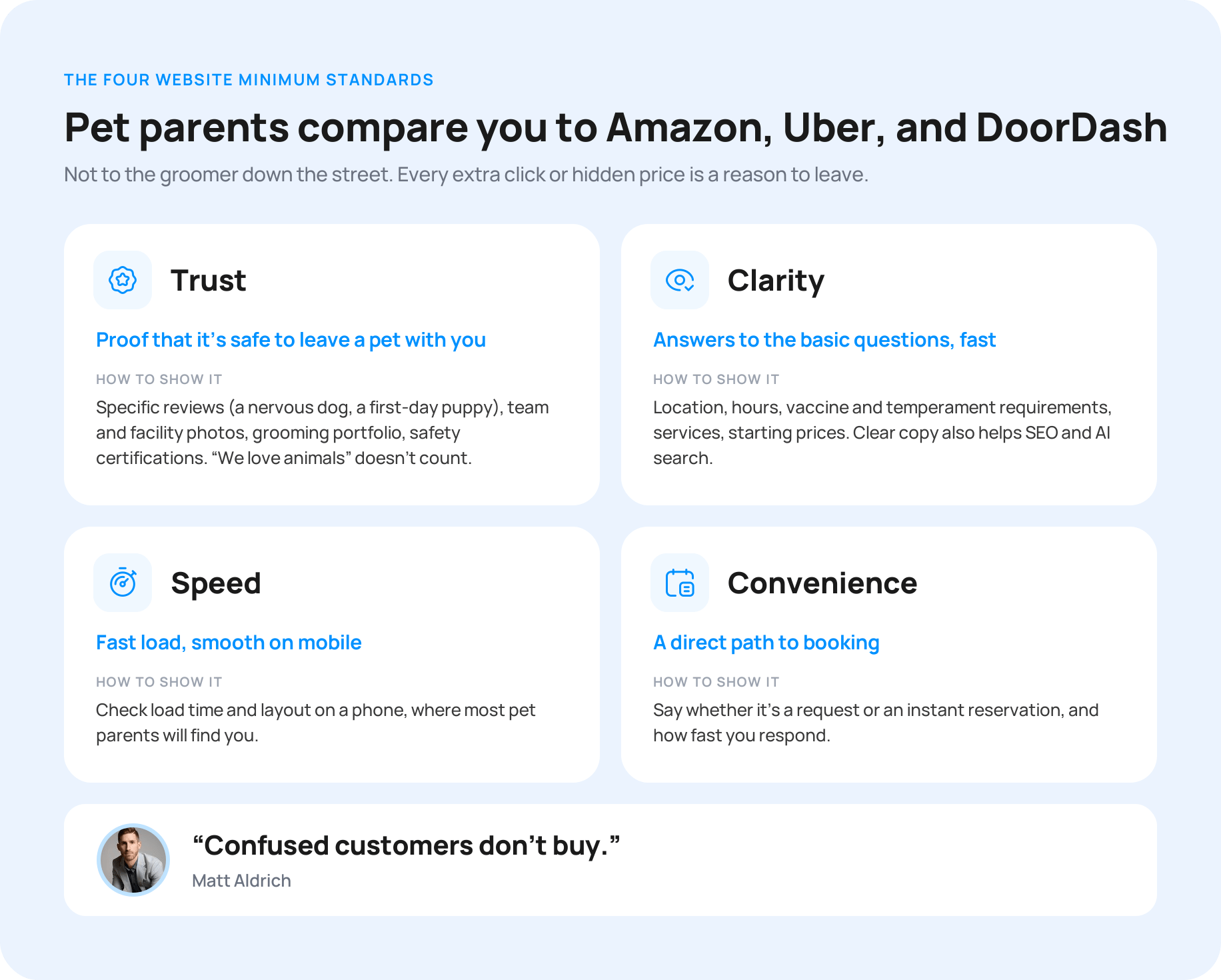
Once Sophie follows you, she'll check your website before trusting you with her puppy. Matt's point: she's comparing your site to Amazon, Uber, DoorDash and Netflix, not to the groomer down the street. Every extra click, missing price or hidden button is a reason to leave, call instead, or pick a competitor.
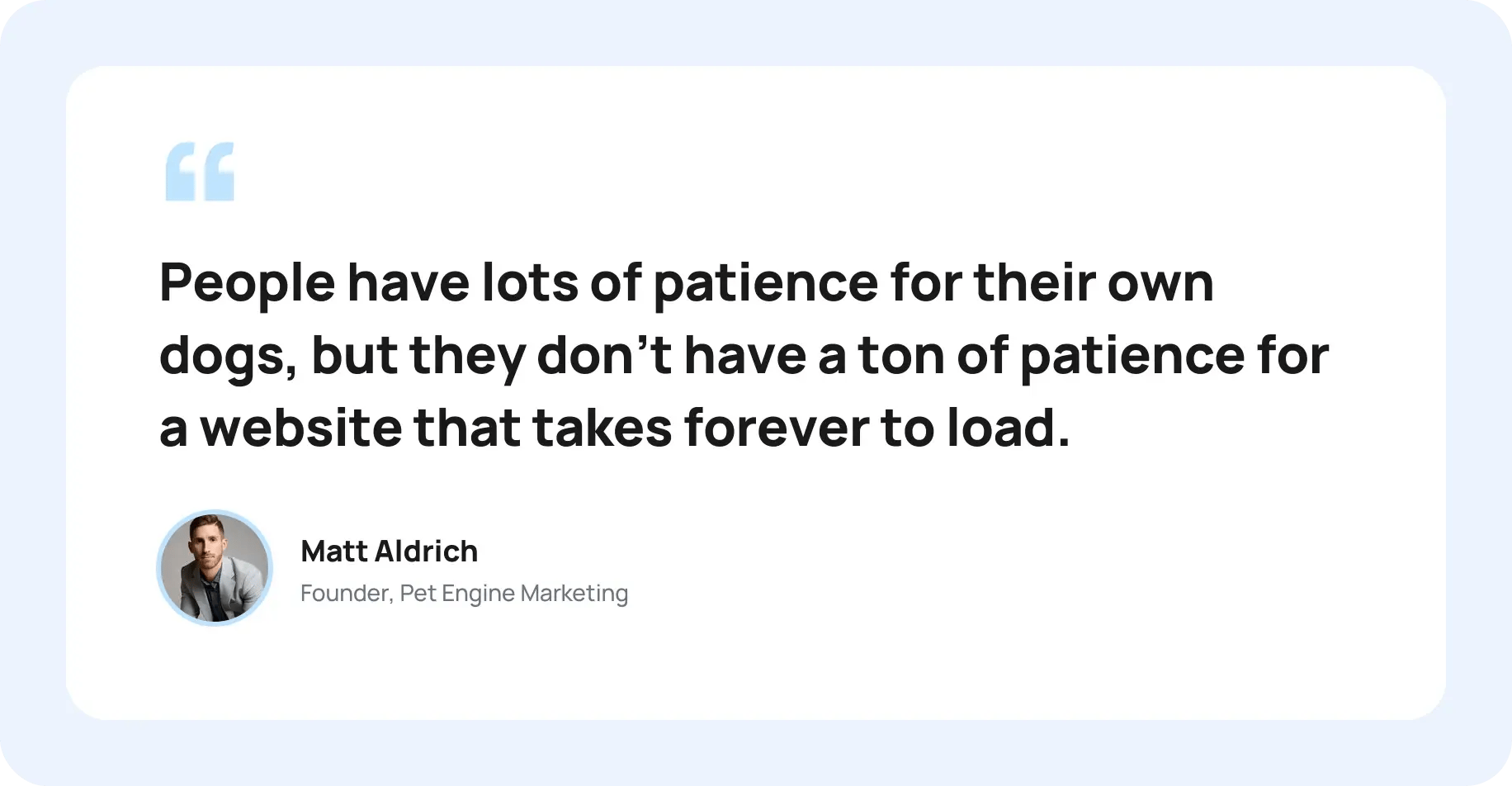
"People have lots of patience for their own dogs, but they don't have a ton of patience for a website that takes forever to load." — Matt Aldrich
The four website minimum standards
|
Standard |
What it means |
How to show it |
|
Trust |
Proof that it's safe to leave a pet with you |
Specific reviews (how you handled a nervous dog or a first-day puppy), team and facility photos, grooming portfolio, safety certifications. "We love animals" doesn't count. |
|
Clarity |
Answers to the basic questions, fast |
Location, hours, vaccine and temperament requirements, services, starting prices. Clear copy also helps SEO and AI search visibility. |
|
Speed |
Fast load, smooth on mobile |
Check load time and layout on a phone, where most pet parents will find you. |
|
Convenience |
A direct path to booking |
Say whether it's a request or an instant reservation, and how fast you respond. |
Case study: the multi-location business that wasn't filling grooming slots
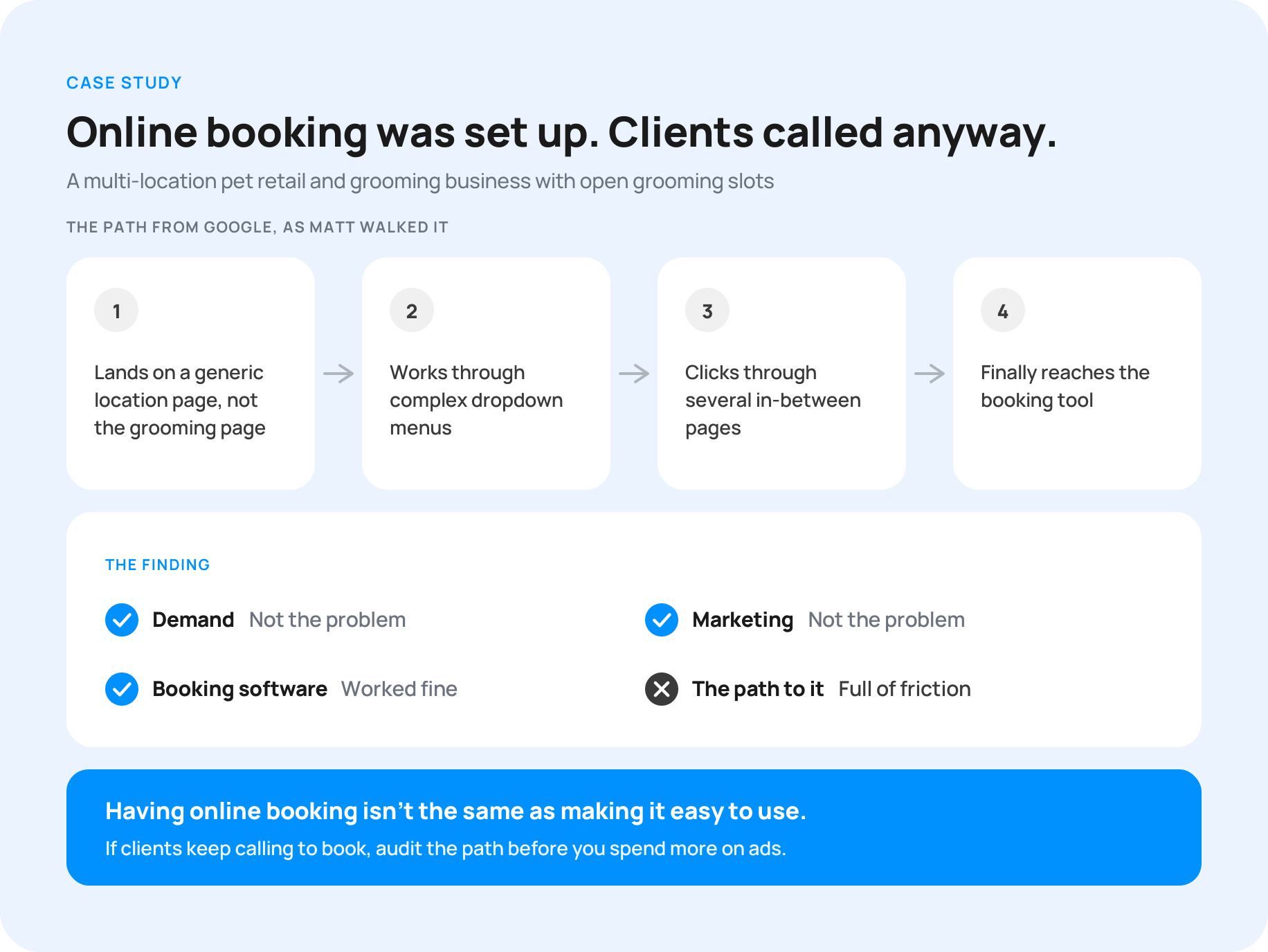
The situation: A multi-location pet retail and grooming business had open grooming capacity. Clients kept calling and texting instead of booking online, even though online booking was already set up.
The diagnosis: Matt walked the path a new customer takes from Google:
- Land on a generic location page, not the grooming page.
- Work through complex dropdown menus.
- Click through several in-between pages.
- Finally reach the booking tool.
The finding: Neither demand nor marketing was the problem,. The booking software worked. The path to it was full of friction, so prospects gave up or reached for the phone.
The lesson: Having online booking isn't the same as making it easy to use. If clients keep calling to book, audit the path before you spend more on ads.
Live teardowns: what the experts would change
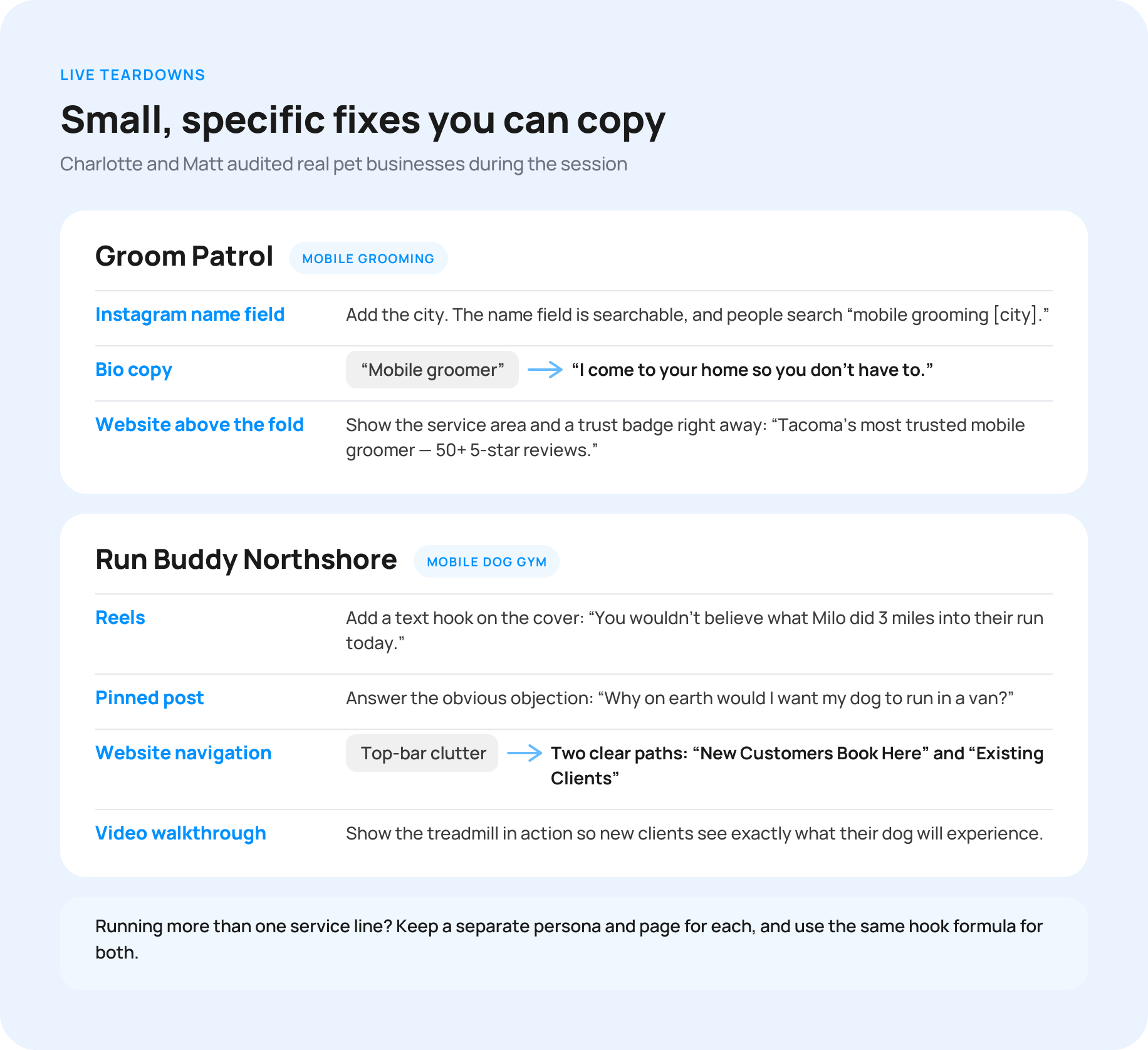
Charlotte and Matt audited real pet businesses during the session. The fixes are small, specific and copyable.
Groom Patrol (mobile grooming)
- Instagram name field: add the city. People search "mobile grooming [city]" inside Instagram, and the name field is searchable.
- Bio copy: swap the industry label for the customer benefit. "Mobile groomer" becomes "I come to your home so you don't have to."
- Website above the fold: show the service area and a trust badge right away, such as "Tacoma's most trusted mobile groomer — 50+ 5-star reviews."
Run Buddy Northshore (mobile dog gym)
- Reels: add a text hook on the cover, such as "You wouldn't believe what Milo did 3 miles into their run today."
- Pinned post: answer the obvious objection head on: "Why on earth would I want my dog to run in a van?"
- Website navigation: replace top-bar clutter with two clear paths: "New Customers Book Here" and "Existing Clients."
- Video walkthrough: show the treadmill in action so new clients can see exactly what their dog will experience.
Running more than one service line
For a business offering both training and grooming, keep a separate persona and page for each service. Then apply the same number-detail-curiosity hook formula to both.
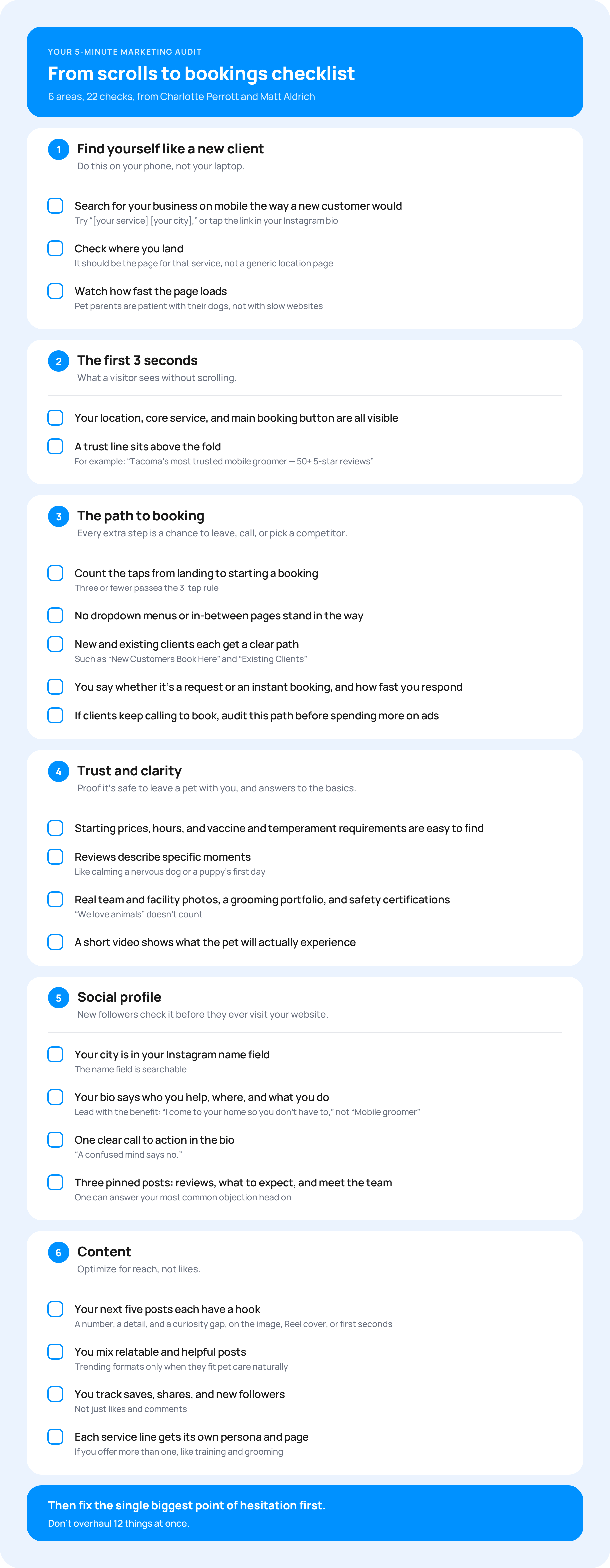
Your 5-minute marketing audit
Website (on your phone)
- Search for your business on mobile the way a new customer would, or tap the link in your Instagram bio.
- Within 3 seconds, without scrolling, can you see your location, core service and main booking button?
- Count the taps from landing to starting a booking. Three or fewer passes.
- Are starting prices, hours and vaccine requirements easy to find?
- Do your reviews describe specific moments, like calming a nervous dog?
- Pick the single biggest point of hesitation and fix that first. Don't overhaul 12 things at once.
Social profile
- Bio says who you help, where, and what you do.
- One clear call to action in the bio.
- City is in your Instagram name field.
- Three pinned posts: reviews, what to expect, meet the team.
- Next five posts each have a hook with a number, a detail and a curiosity gap, on the image or in the first seconds.
- You're tracking saves, shares and new followers, not just likes.
Frequently asked questions
How do I get more clients for my dog grooming business?
Start with discovery and remove booking friction. Post relatable and helpful content that earns saves and shares, write hooks with a number, a detail and a curiosity gap, and make sure a new visitor can start a booking on your website in three taps or fewer.
What should I post on Instagram for my pet business?
Use three pillars: relatable posts ("that's so my dog"), helpful tips people save for later, and trending formats only when they fit pet care. Charlotte Perrott reached 500,000 accounts and gained 2,500 followers in one month with relatable carousels.
Which social media metrics matter most for pet businesses?
Saves, shares and new followers. Instagram and other platforms treat saves and shares as a sign that people value the content, so they show it to more people. Likes and comments matter less.
What should a pet business Instagram bio include?
Who you help, your location, what you do, and one clear call to action. Add your city to the name field so you appear in local searches like "mobile grooming Tacoma."
What makes a good website for a pet grooming, boarding or daycare business?
It meets four standards: trust (specific reviews, real photos, certifications), clarity (location, hours, requirements, starting prices), speed (fast on mobile), and convenience (a direct, obvious path to booking).
What is the 3-tap rule?
A new visitor on a phone should be able to go from landing on your site to starting a booking in three taps or fewer. Each extra step is a chance for them to leave, call instead, or choose a competitor.
Why do clients call to book even when I offer online booking?
Usually the path to the booking tool is too hard to find. In one multi-location business Matt Aldrich audited, visitors from Google landed on a generic page and had to navigate dropdowns and several pages before reaching booking.
About The Pet Business Leadership Playbook
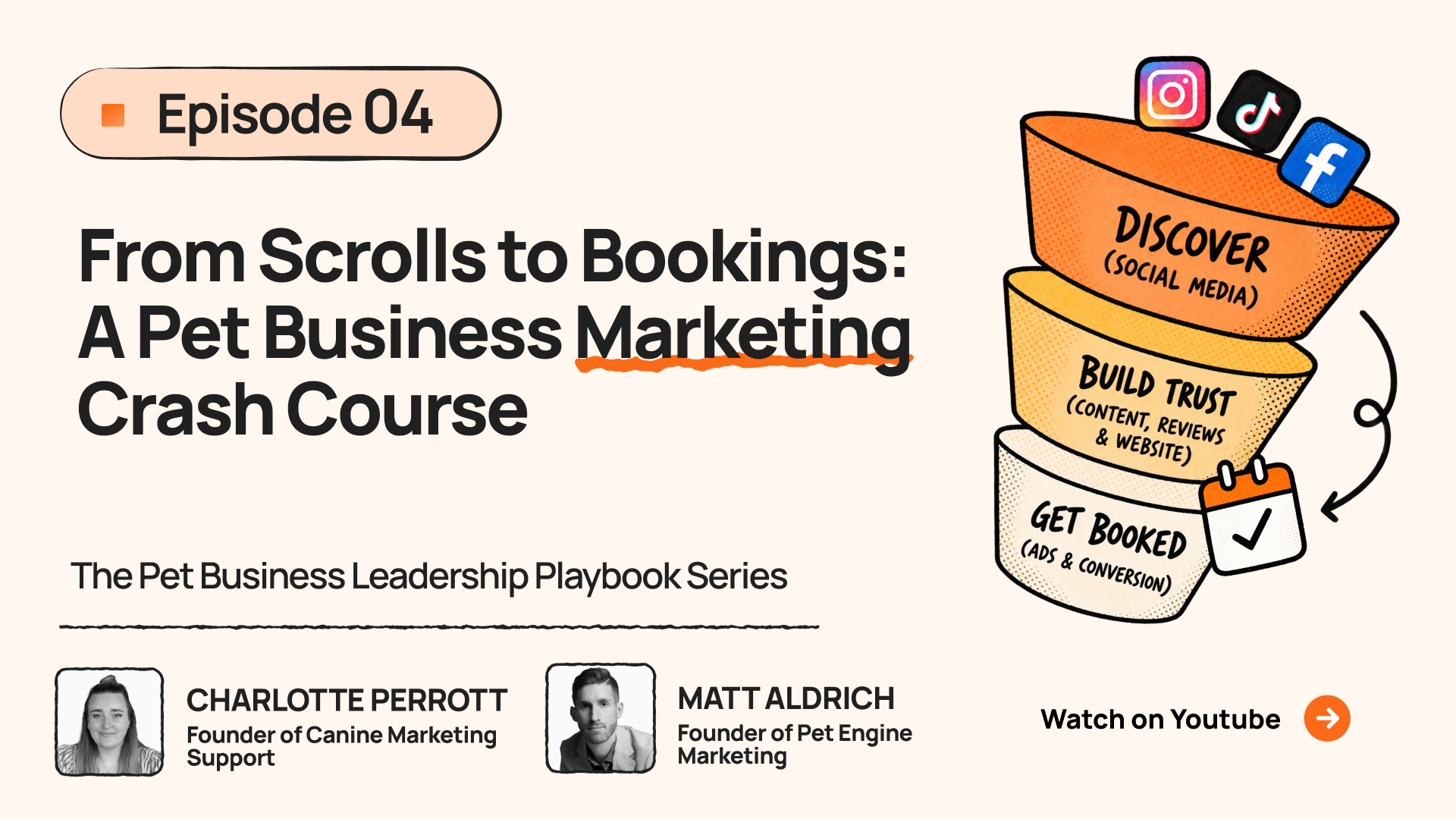
This case study is drawn from Webinar #4 of MoeGo Live's 7-part series built to help pet care professionals become stronger business owners and leaders. Watch the full recording to see Abby and Ellie walk through their setups.
👉 Watch the webinar here
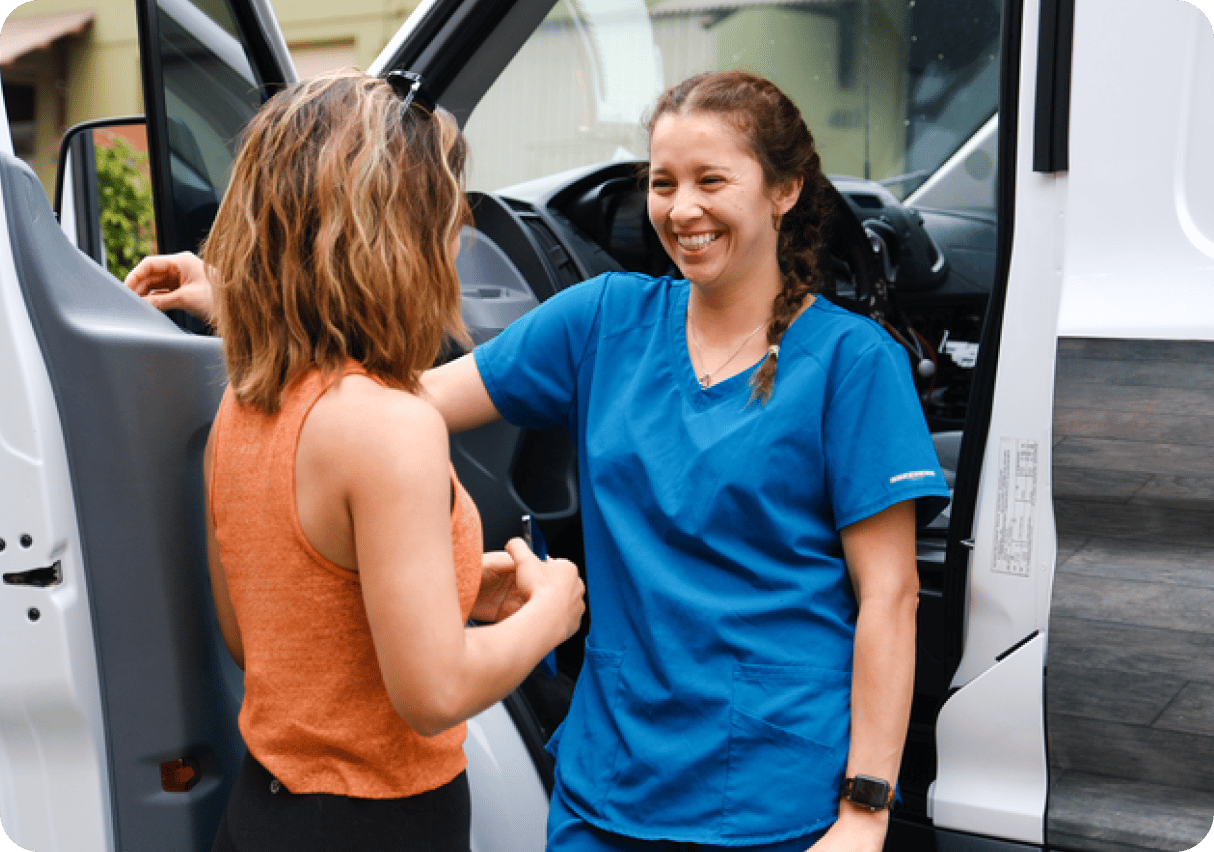
Just starting or adding to your business?
We have flexible plans meant for all stages.

From Scrolls to Bookings: How Pet Businesses Turn Social Discovery Into Booked Appointments

What Makes MoeGo Pay Worth It? Hear From Top Pet Businesses