Share this
by MoeGo on Mar 16, 2026, 9:00:00 AM
Starting a dog grooming business is one of the most rewarding ways to combine a love for animals with entrepreneurship.
But passion alone isn’t enough to build a sustainable business.
New groomers quickly discover that success depends on more than great grooming skills. You also need systems for scheduling, pricing, marketing, and client management. To help new entrepreneurs get started, we gathered insights from 150 professional groomers and combined their advice with practical business guidance.
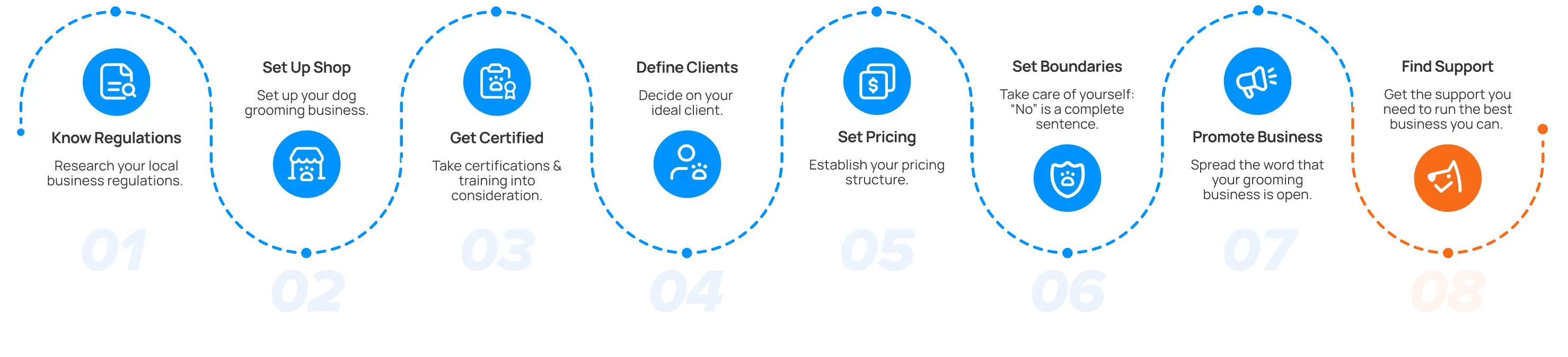
This guide walks through how to start a dog grooming business step by step, including:
- Legal requirements
- Pricing strategy
- Choosing your business model
- Finding your ideal clients
- Marketing your new grooming salon
- Avoiding the mistakes new groomers often make
Whether you're launching a mobile grooming service, home-based salon, or brick-and-mortar shop, these steps will help you build a strong foundation.
Step 1: Research Local Business Regulations
Before opening a grooming business, check the legal requirements in your area.
Dog grooming is lightly regulated in many regions, but most local governments still require businesses to register and follow certain safety standards.
Common requirements may include:
- A general business license
- Zoning approval for a commercial location
- Health or sanitation permits
- Pet care facility registration (in some municipalities)
While most states do not require a formal dog grooming license, many cities regulate pet care businesses similarly to other service industries.
Contact your:
- city business office
- county licensing department
- local economic development office
These agencies can help clarify exactly what permits you need.
Step 2: Choose Your Dog Grooming Business Model
Next, decide how you want to deliver your grooming services.
There are three common models:
Grooming Salon
A physical storefront where clients bring their pets.
Pros:
- higher daily appointment capacity
- retail product opportunities
- room to hire multiple groomers
Challenges:
- higher startup costs
- rent and utilities
Mobile Dog Grooming
A grooming van that travels to clients’ homes.
Pros:
- premium pricing potential
- convenient for customers
- lower facility overhead
Challenges:
- vehicle cost
- route planning
- weather and travel logistics
Home-Based Grooming
Operating a small grooming setup from your home.
Pros:
- lower startup costs
- flexible schedule
Challenges:
- zoning restrictions
- limited capacity
- privacy concerns
Your choice may also depend on local regulations and zoning rules, so confirm those before finalizing your plan.
Step 3: Register and Structure Your Business
Once you decide how your grooming business will operate, choose a legal business structure.
Common options include:
LLC (Limited Liability Company)
The most common structure for small service businesses.
Benefits:
- separates personal and business liability
- relatively simple to manage
S-Corporation
Often used by growing businesses for tax advantages.
Partnership
If you are opening the business with another owner.
Because legal structures affect taxes and liability, many groomers consult:
- a business attorney
- a CPA or tax advisor
Local SCORE chapters and economic development offices also offer free guidance for small businesses.
Step 4: Name Your Dog Grooming Business
Your business name should be:
- easy to spell
- memorable
- clear about your services
Many grooming businesses lean into playful branding.
Examples include:
- The Ruff Life Mobile Grooming
- Pawsitive Transfurmation
- Doodle Dandies Grooming
Before finalizing your name, check that:
- the domain name is available
- the business name is not already registered in your state
- social media handles are available
Consistency across platforms helps build brand recognition.
Step 5: Consider Grooming Certifications and Training
Formal certification is not always required, but it can increase credibility.
Popular certification programs include:
- National Dog Groomers Association of America (NDGAA)
- International Professional Groomers (IPG)
- local community college grooming programs
Certification helps build trust with clients and can differentiate your business from competitors.
Step 6: Define Your Ideal Grooming Client
One of the biggest mistakes new groomers make is trying to serve everyone.
Instead, define your ideal customer profile.
This may include:
- specific breeds
- size categories
- coat types
- service frequency
- pricing level
For example:
- doodle specialists
- small-breed grooming
- high-maintenance coat care
- subscription grooming clients
Targeting a specific client type helps you build a more predictable schedule and better long-term relationships.
Step 7: Build a Sustainable Pricing Strategy
Pricing is one of the most important decisions new grooming businesses make.
Many groomers underprice their services early on, which can create burnout later.
A strong pricing model should cover:
- labor
- supplies
- facility or vehicle costs
- taxes
- future business investments
Many financial advisors recommend setting aside 25–35% of revenue for taxes.
Additional pricing considerations include:
- dematting fees
- flea treatment fees
- behavioral handling fees
- late pickup fees
- no-show policies
Setting clear policies early protects your schedule and your income.

Step 8: Market Your New Grooming Business
When your business is ready to open, it’s time to spread the word. 👉 This is how a 24-year-old signed 120+ dogs pre-salon opening.
Local marketing is especially effective in pet care. Start by building relationships with nearby pet professionals:
- veterinarians
- trainers
- pet supply stores
- dog walkers
- pet sitters
These partnerships often generate steady referral traffic.
You can also promote your business through:
- local flyers
- dog park advertising
- community events
- neighborhood social groups
- Google Business Profile
Simple tools like online booking pages and automated reminders also make it easier for new clients to schedule appointments.

Step 9: Set Healthy Boundaries as a Business Owner
Many groomers experience burnout early because they try to serve every client request.
Remember that running a business also means protecting your time.
Important boundaries include:
- clear work hours
- cancellation policies
- pricing consistency
- scheduled breaks
- regular days off
Building these boundaries early helps create a sustainable career rather than a stressful job.

Advice From Experienced Dog Grooming Business Owners
We asked experienced groomers for their best advice for new business owners.
Here are some of the insights they shared.
Learn to Say No
Not every client will be a good fit.
Setting boundaries protects your schedule and your team.
“Learn to say no. You don’t have to groom every difficult dog or tolerate rude clients.”
Get Business Help Early
Many groomers say the hardest part of entrepreneurship is the business side, not grooming itself.
Accountants and legal advisors can help with:
- business registration
- tax strategy
- lease agreements
- policies and contracts
Focus on the Right Clients
Your ideal clients are the ones who:
- respect your policies
- book regularly
- value professional grooming
Trying to serve everyone often leads to scheduling chaos.
Don’t Hire Too Early
Many groomers recommend building demand first.
Once your schedule is consistently full, then consider hiring staff.
Price Confidently From the Beginning
Underpricing services can make it difficult to raise prices later.
Instead, calculate your true costs and price services accordingly.
Charge extra for:
- dematting
- flea treatments
- behavioral handling
- late pickups
- cancellations
Clear pricing helps create a stable business.
Tools That Help New Grooming Businesses Stay Organized
Starting a grooming business means managing:
- appointments
- payments
- client communication
- pet records
- marketing
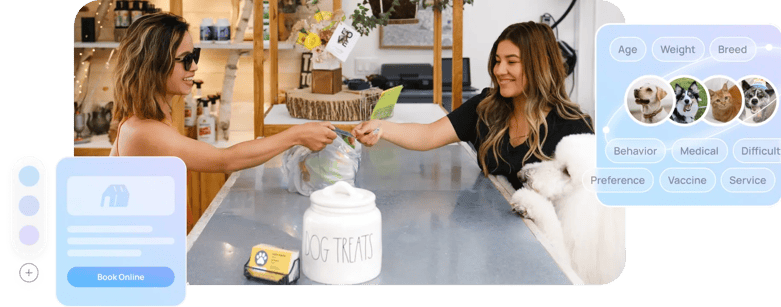
Many owners eventually adopt pet business management software to simplify daily operations.
Platforms like MoeGo combine:
- online booking
- automated reminders
- scheduling tools
- client communication
- integrated payments
By automating administrative tasks, groomers can spend less time on paperwork and more time doing what they love: working with pets.
Start Your Grooming Business With Confidence
Launching a dog grooming business takes preparation, but it’s an incredibly rewarding career path for pet lovers and entrepreneurs.
With the right foundation, you can build a business that grows sustainably.
And most importantly, you can create a business that lets you spend your days doing what you enjoy most: caring for animals and building relationships with their owners.


Just starting or adding to your business?
We have flexible plans meant for all stages.


How Top Pet Boarding & Daycare Facilities Win the Holidays: The 6-Month Head Start
5 Questions Your Pet Business Homepage Must Answer
From One Grooming Van to a $4M Pet Care Business: How Molly’s Pampered Paws Scaled Without Losing Control